What If Your Phone’s Clutter Is Slowing Down Your Life?
We’ve all been there—frantically searching for an important file while our phone lags, notifications pile up, and battery drains by noon. It’s not just frustrating; it chips away at your focus, productivity, and peace of mind. I used to ignore the digital mess until I realized: my phone wasn’t helping me—it was holding me back. What if cleaning it up could give you back time, energy, and control? What if the key to feeling more organized, calmer, and more in charge of your day wasn’t another planner or self-help book, but simply clearing out the clutter in your pocket?
The Hidden Cost of a Cluttered Phone
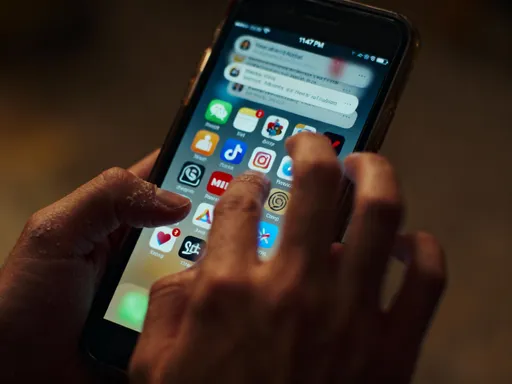
Picture this: you're in the middle of a busy afternoon, juggling school pickups, dinner prep, and a last-minute work request. You need to send a signed document to your manager, but your phone keeps freezing every time you open your email. You tap, wait, tap again—only to be met with that spinning wheel of doom. When you finally locate the file, it’s buried under hundreds of old receipts, screenshots, and random downloads you forgot you even saved. Sound familiar? This isn’t just bad luck. It’s the quiet tax digital clutter charges on your time and sanity.
Most of us don’t think twice about downloading apps, snapping photos, or saving files “just in case.” But over time, all that digital buildup starts to weigh down your device—and your mind. Unused apps, old messages, cached data, and forgotten downloads don’t just eat up storage. They slow down your phone’s performance, making everything from launching your calendar to taking a photo feel sluggish. And when your phone drags, so does your ability to respond quickly, stay on top of things, and feel confident in your daily flow.
But here’s what we often overlook: the mental load. A cluttered phone doesn’t just slow down your device—it slows down your thinking. Every time your screen freezes or an app crashes, it triggers a tiny spike of stress. You start to doubt your own efficiency. You wonder, “Am I just bad at this?” when the truth is, your tools aren’t working for you. That constant friction erodes your confidence, especially when you're already stretched thin. And for women in their 30s to 50s—juggling careers, families, personal goals, and self-care—feeling out of control is the last thing we need.
Think of your phone like your kitchen counter. If you leave dishes, mail, grocery lists, and school permission slips piling up, it becomes harder to cook, think clearly, or even relax in the space. The same goes for your digital life. When your phone is overflowing with digital “stuff,” it becomes harder to focus, make decisions, and find what you actually need. The clutter isn’t just visual—it’s emotional. And the good news? Just like tidying your counter, cleaning your phone is a small act that can make a big difference in how you feel every single day.
How Phone Performance Affects Real-Life Productivity
Let’s talk about real life—because your phone isn’t just a gadget. It’s your planner, your communication hub, your camera, your reminder system, and sometimes, your therapist. When it’s not running smoothly, everything else suffers. Imagine being at a school meeting and needing to pull up your child’s immunization record, only to realize it’s lost in a sea of photo albums and screenshots. Or trying to take notes during a team call, but your phone freezes every time you open your notepad app. These aren’t minor inconveniences—they’re disruptions that chip away at your credibility, your peace, and your ability to show up as your best self.
I remember a time when I missed a PTA group message about a last-minute change to the bake sale. Why? Because my notifications were so out of control that important updates were buried under promo alerts from shopping apps I hadn’t used in months. I felt embarrassed and frustrated—like I’d let the team down. But the truth was, it wasn’t me. It was my phone. Too many apps were sending alerts, my message threads were a mess, and I had no system to separate what mattered from what didn’t. The result? I was constantly distracted, yet somehow still missing key information.
And it’s not just about social commitments. For many of us, our phones are essential work tools. Whether you’re a freelancer managing client emails, a teacher organizing lesson plans, or a manager coordinating projects, a slow or disorganized phone can directly impact your professional reputation. Delayed replies, lost files, or missed calendar alerts don’t just slow you down—they make you look unreliable, even if you’re doing your best. The irony is, we use our phones to stay organized, but when they’re cluttered, they do the opposite. They become sources of stress instead of support.
The good news? You don’t need a new phone to fix this. Often, a simple cleanup can restore speed, reliability, and trust in your device. When your phone works smoothly, you work smoothly. You respond faster, stay on top of deadlines, and feel more in control. It’s not about being tech-savvy. It’s about creating a digital environment that works for you—not against you. And when your tools support you, you show up with more confidence, clarity, and calm.
The Emotional Weight of Digital Disorganization
Have you ever walked into a messy room and instantly felt more tired? That’s because clutter—whether physical or digital—has a real emotional cost. A chaotic space makes it harder to relax, focus, or feel at peace. And your phone? It’s probably the most personal space you carry with you all day. It’s where you check in with loved ones, plan your week, capture memories, and sometimes even vent your feelings. When that space is disorganized, it quietly affects your mood and mindset.
Digital clutter creates what psychologists call “attention residue”—that nagging feeling that something is unfinished. You see that red notification badge on your email app and feel a little tug of anxiety, even if you don’t open it. You remember you meant to cancel a free trial months ago but never got around to it, and now you feel a twinge of guilt every time you see the app icon. These small, unresolved digital tasks add up, creating a low-level hum of stress that wears you down over time.
And let’s talk about decision fatigue. Every time you open your phone and see 20 apps staring back at you, your brain has to decide: which one do I need? That split-second choice happens dozens of times a day. Multiply that by the number of notifications, messages, and updates you’re bombarded with, and it’s no wonder you sometimes feel mentally drained by 3 p.m. Your phone, which should be helping you, is actually making your brain work harder.
I used to feel guilty about not being “better” at managing my digital life. I’d see influencers with perfectly curated home screens and think, “Why can’t I stay on top of this?” But here’s what I’ve learned: it’s not about perfection. It’s about peace. When I finally cleared out old apps, unsubscribed from newsletters I never read, and organized my photos, something shifted. It wasn’t just that my phone ran faster—it was that I felt lighter. I wasn’t carrying that invisible weight of digital guilt anymore. I could breathe easier, focus better, and actually enjoy the moments I was capturing instead of just collecting them.
Clearing your digital clutter isn’t just a tech task. It’s an act of self-care. It’s saying, “I deserve a space—digital or physical—that helps me feel calm, not overwhelmed.” And when you create that space, you give yourself permission to slow down, be present, and reclaim your mental energy for the things that truly matter.
Small Habits, Big Changes: Starting Your Cleanup Journey
Now, I know what you might be thinking: “This all sounds great, but I don’t have time to reorganize my entire digital life.” And you’re right—doing it all at once would be overwhelming. But here’s the secret: you don’t have to. Real change starts with small, manageable steps. Think of it like tidying a closet. You wouldn’t throw everything on the floor and start from scratch—unless you want a meltdown. Instead, you take one shelf at a time. The same goes for your phone.
Start with your home screen. Look at the apps you see every day. Ask yourself: “When was the last time I used this?” If it’s been months—or if you don’t even remember downloading it—delete it. Yes, really. You can always reinstall it later if you need it. This isn’t about getting rid of useful tools. It’s about removing the digital noise that distracts you from what you actually use and love.
Next, tackle notifications. Go into your phone’s settings and turn off alerts for apps that don’t need to interrupt you. Do you really need a pop-up every time a shopping app has a “limited-time deal”? Probably not. Keep notifications for the essentials—messages from family, calendar reminders, and work-related apps. You’ll be amazed at how much calmer your phone feels when it’s not constantly buzzing and flashing.
Then, take a look at your photo library. So many of us hoard photos “just in case,” but the truth is, we rarely go back to look at them. Create a simple system: once a month, go through your recent photos and delete the blurry ones, duplicates, or random screenshots you don’t need. Keep the moments that matter—your child’s first bike ride, your mom’s birthday dinner, that perfect sunset on vacation. The rest? Let them go. You’ll free up space and make it easier to find the photos you actually want to see.
These small actions might not seem like much, but they add up. Each one reduces mental load, improves performance, and gives you back a little more control. And the best part? You don’t need any special skills. You just need the intention to make your phone work better for you. Think of it as a kindness to your future self—the you who will be grateful not to waste ten minutes searching for a file or missing an important message.
Optimizing for Focus, Not Just Speed
Cleaning up your phone isn’t just about making it faster—it’s about making it smarter. It’s about shaping your device to support your life, not distract from it. That’s where a few simple settings can make a world of difference. Take dark mode, for example. It’s not just a trendy look. If you use your phone at night—checking messages, reading before bed, or scrolling through recipes—it reduces eye strain and can even help you sleep better. And let’s be honest, better sleep is something we can all use.
Then there’s screen time tracking. Both iOS and Android have built-in tools—Screen Time and Digital Wellbeing—that show you how much time you’re spending on each app. When I first checked mine, I was shocked to see I was spending over an hour a day on social media apps I didn’t even enjoy. That awareness was the first step to change. I set daily limits for certain apps, and now, when I hit my limit, the app locks. It’s not punishment—it’s protection. It helps me stay focused on what matters, whether that’s finishing a work task, being present with my family, or just reading a book without distraction.
Another game-changer? Cloud backups. If you’ve ever lost photos or important documents because your phone crashed, you know the heartbreak. Setting up automatic backups to iCloud or Google Drive takes just a few minutes, but it gives you peace of mind. You know your memories and files are safe, even if your phone isn’t. And that’s a kind of freedom—knowing you don’t have to panic every time your phone acts up.
These tweaks aren’t about becoming a tech expert. They’re about using the tools already built into your phone to create a calmer, more intentional digital experience. It’s not about cutting yourself off from technology. It’s about making technology serve you, not the other way around. When your phone supports your focus, your energy, and your well-being, it stops being a source of stress and starts feeling like a trusted companion.
Building a Sustainable Digital Routine
Here’s the truth: cleaning your phone once won’t solve everything. Like any habit—eating well, exercising, keeping your home tidy—it only works if you maintain it. That’s why I recommend a monthly “digital reset.” Pick a quiet Sunday morning, pour yourself a cup of tea, and spend 20 minutes checking in with your phone. It’s like a mini spring cleaning for your digital life.
Start by reviewing your apps. Are there any you’ve downloaded recently but haven’t used? Delete them. Are there subscriptions you forgot about? Cancel them. Then, clear your cache—those temporary files that build up and slow things down. On Android, you can do this in settings under “Storage.” On iPhone, offloading unused apps is a great option—it removes the app but keeps your data, so you can reinstall it quickly if needed.
Next, organize your files. Move important documents into labeled folders. Archive old emails. Back up your photos if you haven’t already. And take a moment to check your home screen. Is it still serving you? Maybe you need a new layout—grouping apps by purpose, like “Work,” “Family,” “Self-Care.” Make it intuitive, not overwhelming.
The goal isn’t perfection. It’s consistency. You don’t have to do everything at once. Just commit to showing up for your digital space the way you show up for your home, your family, and yourself. Over time, this small ritual becomes second nature. And the benefits? Less stress, more focus, and a phone that feels like a tool you trust, not a burden you dread.
Reclaiming Time and Peace: The Life-Changing Side Effects
When I first started cleaning up my phone, I thought the goal was just to make it faster. But what I didn’t expect was how much calmer I would feel. Without the constant pings, the frozen screens, the frantic searches, my mind felt clearer. I had more mental space to think, to breathe, to be present. I started sleeping better because I wasn’t scrolling through endless notifications before bed. I felt more confident at work because I could find things quickly. And I even noticed I was more patient with my family—because I wasn’t secretly stressed about a missed message or a slow-loading app.
The ripple effects were real. I had more energy. I made better decisions. I felt more in control of my day. And honestly, I started enjoying my phone again—not as a source of stress, but as a tool that helped me stay connected, organized, and creative. It became something I looked forward to using, not something I dreaded.
So here’s my invitation to you: pick one small step. Delete three unused apps. Turn off notifications for one distracting app. Organize your photos into one album. Don’t aim for a full overhaul. Just start. Because even the smallest change can shift how you feel. You don’t need a new phone. You don’t need to be a tech genius. You just need to give yourself the gift of a cleaner, calmer digital space.
When your phone works better, you work better. When your mind isn’t weighed down by digital clutter, you feel lighter. And when you feel lighter, you can show up more fully—for your work, your family, and yourself. This isn’t just about technology. It’s about creating a life that feels easier, clearer, and more peaceful. And it all starts with a simple swipe, a tap, and the decision to take back control.