Tired of wondering if your parents are safe at home? This system gave me peace of mind
We’ve all been there—calling our parents, waiting anxiously for them to pick up, only to feel relief when we hear their voice. But what if they can’t answer? As I cared for my aging mom, that fear became daily. Then I discovered a simple emergency system that changed everything. It didn’t just alert me during crises—it showed me, day by day, how she was really doing. The real surprise? It wasn’t the tech that moved me, but the quiet confidence it brought to both of us.
The Moment Everything Changed
It was a rainy Tuesday evening when my world tilted. I called Mom around 7 p.m., as I did every night. No answer. I brushed it off—maybe she was in the kitchen, or the TV was too loud. But by 9:30, still nothing, and that familiar knot of worry tightened in my chest. I called again. And again. Nothing. I drove over, heart pounding, imagining the worst. When I finally got in with my spare key, I found her on the bathroom floor, soaked and shivering, unable to get up after slipping while trying to turn off the shower. She’d been there for hours, too weak and disoriented to reach her phone. She wasn’t seriously injured, but the fear in her eyes—that she’d been alone, helpless—shattered me.
I sat beside her on that cold tile, holding her hand, and promised myself I’d never let her feel that helpless again. Not because I wanted to control her life, but because I couldn’t bear the thought of her suffering in silence while I went about my day, clueless. That night, I realized something profound: love isn’t just about showing up after a crisis. It’s about being able to prevent it. I needed a way to *know* she was okay, not just hope she was. That’s when I started looking for something better than phone calls and good intentions. I needed a system that could quietly watch over her—not like a guard, but like a caring presence that never blinked.
This wasn’t about technology for technology’s sake. It was born out of love, fear, and the kind of helplessness that keeps you awake at night. I wasn’t looking for a gadget. I was looking for peace of mind. And that search led me to a solution I never expected—one that didn’t feel like surveillance, but like support.
What I Thought I Wanted (And Why It Was Wrong)
At first, I went down the path most of us do when we’re scared: I looked for cameras. I pictured little monitors in my living room, showing me live footage of Mom moving around her kitchen or sitting in her favorite chair. But the more I thought about it, the more uncomfortable I felt. Watching her like that—it didn’t feel right. I didn’t want to see every moment of her day. I didn’t want to know if she spilled her tea or forgot to turn off the lamp. I just wanted to know she was safe. There’s a big difference between surveillance and reassurance, and I was crossing a line I didn’t mean to.
Then I looked into panic buttons—those wearable pendants that let her press for help. They seemed practical. But Mom, like so many parents, often forgot to wear it. She’d take it off to wash dishes, forget it on the nightstand, or leave it in another room. And what if she fell and couldn’t reach it? The device only works if it’s used. And in a real emergency, the one thing you can’t count on is your ability to press a button.
I even explored professional monitoring services—those 24/7 call centers that respond when an alarm goes off. But they were expensive, and many still relied on the same wearable buttons. Plus, they felt impersonal. I didn’t want a stranger calling me at 2 a.m. to ask if I wanted to send an ambulance. I wanted to be the first to know. I wanted to be involved, not just notified.
It took me weeks to realize what I actually needed wasn’t more gadgets or louder alarms. I needed a way to sense her presence—her daily rhythm—without watching, listening, or asking her to do anything. I didn’t want to invade her privacy. I wanted to protect her independence. That’s when I learned about passive monitoring systems—devices that learn what “normal” looks like in a home and gently alert you when something changes. No cameras. No buttons. No apps to figure out. Just quiet awareness.
How It Works—Without Any Tech Talk
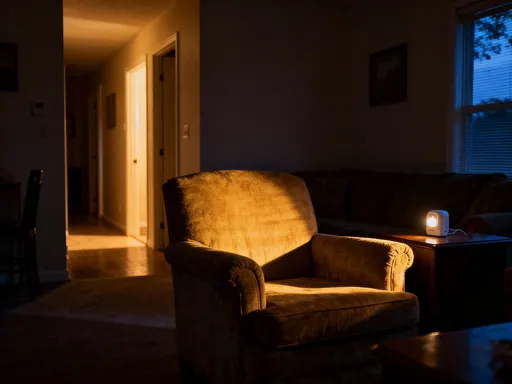
Let me explain how this works—without a single technical term. Imagine a small, unobtrusive device, about the size of a Wi-Fi router, that sits quietly in the corner of the living room. It doesn’t record video. It doesn’t listen to conversations. It doesn’t track her voice or her words. Instead, it senses movement and patterns—like the gentle rhythm of daily life. When she gets up in the morning, walks to the kitchen, turns on the kettle, sits down to read the paper—these small actions create a kind of invisible map of her day.
Over time, the system learns what her “normal” routine looks like. It doesn’t care about the details—what she’s wearing or what she’s cooking. It just notices the flow: she’s up by 8 a.m., in the kitchen by 8:15, watches TV around 10, takes her meds after lunch. This isn’t surveillance. It’s like learning the melody of a song—once you know it, you can tell when a note is off.
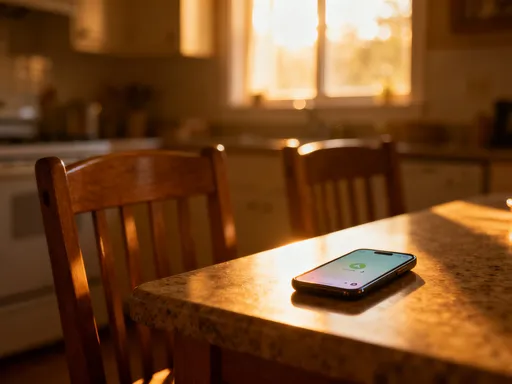
If one morning she doesn’t get up by 10, or if the kitchen light doesn’t turn on, the system notices. It doesn’t assume the worst. But it sends a quiet alert to my phone: “Unusual inactivity detected.” That’s it. No siren. No flashing lights. Just a gentle nudge that says, “Hey, something’s different today.” I can then call, text, or check in—without panicking, but with purpose.
Some people compare it to a home security system, but that’s not quite right. This isn’t about intruders or break-ins. It’s about presence. It’s like a heartbeat monitor for the house—measuring the pulse of everyday life. And the best part? Mom doesn’t have to do anything. She doesn’t need to wear a device, press a button, or learn a new app. It works in the background, like a quiet friend who’s always paying attention.
The First Time It Alerted Me
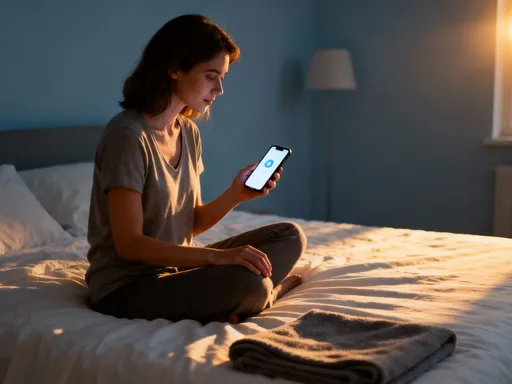
I’ll never forget the first time the alert came through. It was a Tuesday morning, just a few weeks after I’d set everything up. I was making coffee when my phone buzzed with a message: “Unusual inactivity detected in Mom’s home.” My breath caught. I immediately called her landline—no answer. I tried her mobile—still nothing. My mind raced. Was she okay? Had she fallen? Was she hurt and unable to move?
I grabbed my keys and drove over, heart pounding. When I got there, I found her in bed, pale and dizzy, too weak to get up. She hadn’t fallen. She hadn’t pressed a button. But she’d been feeling unwell since the night before—nauseous, lightheaded—and didn’t want to worry me. She thought she’d just sleep it off. But her body was slowing down, and the system noticed before I did.
Because of that alert, I took her to the doctor that same morning. Turns out, she was dehydrated and had a mild urinary tract infection—common in older adults, but dangerous if left untreated. The doctor said if she’d waited another 24 hours, she might have ended up in the hospital. As I sat in the exam room, holding her hand, I felt a wave of gratitude—not just for the doctor, but for that quiet little device at home that had spoken up when she couldn’t.
That moment changed everything for me. It wasn’t just about emergencies. It was about catching small problems before they became big ones. It was about *early intervention*—about having a safety net that didn’t depend on her remembering to ask for help. And it made me realize that this system wasn’t just protecting her. It was protecting our relationship. I wasn’t hovering. I wasn’t nagging. I was simply *there*, in a way that mattered.
Tracking Progress, Not Just Problems
After Mom recovered, something unexpected happened. I started getting updates that weren’t about problems—they were about progress. The system began showing that she was moving more each day. Her morning routine became more consistent. She was spending more time in the kitchen, in the living room, even stepping outside for short walks. These weren’t dramatic changes, but they were real. And for the first time, I could *see* her healing—not just hear about it.
I remember one morning, I got a notification that said, “Morning activity detected earlier than average.” I smiled. She’d gotten up at 7:45 instead of 8:30. To anyone else, it might seem small. But to me, it was a victory. It meant she was feeling stronger. It meant she was regaining her rhythm. I called her and said, “Mom, you’re up early today!” She laughed and said, “I woke up feeling good. Made myself oatmeal and watched the birds.” That call wasn’t about worry. It was about celebration.
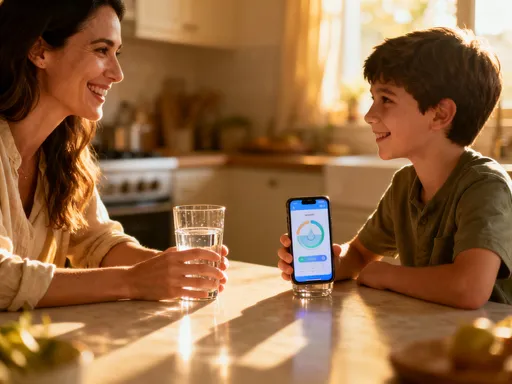
I started sharing these insights with her doctor during check-ups. Instead of saying, “I think she’s doing better,” I could say, “Her activity levels have increased by 30% over the past two weeks.” That kind of data made a difference. It helped the doctor adjust her care plan, recommend light exercises, and even reduce a medication that was making her drowsy. The system wasn’t just tracking safety—it was supporting her recovery.
And here’s the beautiful part: Mom started to feel it too. She didn’t see the device as a sign that she was failing or becoming a burden. She saw it as proof that she was *growing stronger*. We began celebrating small wins together—her first full day of normal activity, the first time she cooked dinner without getting tired. This wasn’t just about avoiding danger. It was about **personal progress tracking**—a way to measure not just survival, but thriving.
Making It Work for Real Life
One of the biggest concerns I had was whether it would actually fit into real life. Would it be complicated? Would Mom resist it? Would I have to become a tech expert to make it work? The answer, surprisingly, was no. Setting it up took less than 15 minutes. I plugged one device into the living room outlet, another near her bedroom. That’s it. No drilling, no wiring, no complicated setup. It connects to her existing Wi-Fi and starts learning the home’s rhythm within days.
And Mom? She didn’t even notice it was there. It doesn’t make noise. It doesn’t flash lights. It just sits, quiet and unobtrusive. When I told her about it, I was honest. I said, “This doesn’t listen to you. It doesn’t watch you. It just notices when things are different—like if you don’t get up in the morning. It’s not about spying. It’s about peace of mind—for both of us.” She thought about it and said, “If it helps you sleep better at night, I’m okay with it.”
That conversation was important. We talked about privacy. We talked about trust. And we agreed that this wasn’t about control—it was about care. The system sends updates only when something is unusual. I don’t get constant reports. I don’t see every move she makes. I just get a gentle heads-up when something’s off. And the best part? I’ve stopped calling “just to check.” I used to call three times a day, sometimes more, just to hear her voice and make sure she was okay. Now, I call because I want to talk—not because I’m afraid.
Why This Isn’t Just for Aging Parents
Since discovering this system, I’ve shared it with friends—and I’ve been surprised by how many different lives it’s helped. One friend has a teenage daughter in college. She was worried but didn’t want to seem overbearing. Then one week, the system detected no activity in her daughter’s dorm room for two full days. My friend called—no answer. She contacted campus security, who checked in and found her daughter struggling with severe anxiety and hadn’t left her room in 48 hours. Because of that alert, she got counseling and support before it escalated. It wasn’t an emergency. But it was a moment that needed care.
Another friend used it for her husband, who was recovering from heart surgery. He was independent, but she worried about his energy levels. The system helped her see when he was overdoing it—like when he tried to clean the garage too soon. The alert let her step in gently: “Hey, I noticed you were up late yesterday. How are you feeling?” It wasn’t about control. It was about support.
I even know a young woman who lives alone and uses it for her own peace of mind. She travels often for work, and her parents worry. The system lets them know she’s home and moving around after a flight—without her having to text them every time. It’s not just for aging parents. It’s for anyone you love who lives separately—teens, spouses, siblings, friends. The core idea is universal: *peace of mind through measurable, everyday presence*.
It’s not about fear. It’s about care that keeps pace with life. It’s about knowing someone is okay—not because they told you, but because you can see it, quietly and respectfully. In a world that moves fast and pulls us apart, this is a small way to stay connected—without hovering, without guilt, without constant worry.
Conclusion: More Than a Device—It’s Peace, Measured Daily
This system didn’t just protect my mom. It changed how I love her. Before, my care was tangled with anxiety. I loved her deeply, but I was always waiting for the other shoe to drop. Now, my love feels calmer, more present. I don’t dread the phone not ringing. Instead, I see her daily rhythm—her quiet mornings, her steady progress, her growing strength. I see her life, not just her risks.
In a world full of noisy tech promises—apps that claim to change your life, devices that promise perfection—this one delivers something rare: **calm**. Not flashy. Not perfect. But deeply human. It doesn’t replace phone calls or visits. It doesn’t take the place of family. But it gives us something precious: the space to breathe, to trust, to love without fear.
If you’ve ever lain awake wondering if someone you love is okay—if you’ve ever driven across town just to check, or called for the tenth time in a day—this might be the small change that brings the biggest relief. It’s not about giving up independence. It’s about protecting it. It’s not about fear. It’s about care that works quietly, respectfully, every single day. And sometimes, the most powerful technology isn’t the one that does the most—it’s the one that lets you worry a little less, and live a lot more.