From Closed Off to Connected: How a Simple Visitor Log Brought Our Neighborhood Together
Living in a busy world, we often guard our homes tightly—but at what cost? I used to dread unexpected knocks, screen every caller, and barely know my neighbors. Then I started using a simple visitor management system, not just for security, but as a way to open up—safely. What began as a tool for peace of mind quietly transformed into something more: stronger connections, shared smiles, and a real sense of community. This is how technology helped me find balance between safety and belonging.
The Isolation Behind Closed Doors
Remember that moment when you’re walking up your front path, groceries in hand, and you see someone standing at your gate? No sign, no uniform—just a stranger waiting. My heart would race. I’d pause, trying to decide: should I say hello? Pretend I didn’t see them? Or just walk past and hope they weren’t there for me? That was my normal for years. After a long day of managing work, kids, meals, and schedules, the last thing I wanted was an unexpected interaction—especially with someone I didn’t know. So I did what so many of us do: I pulled the drawbridge up. I put up a ‘No Soliciting’ sign. I started screening every call. I even stopped answering the door unless I was expecting someone.
At first, it felt like I was taking control. I thought I was protecting my family, creating a safe bubble. But over time, something shifted. That bubble started to feel more like a wall. I didn’t know the woman who walked her dog every evening. I waved but never learned her name. The family two doors down? I knew their kids played in the yard, but I couldn’t tell you what the parents did for work. We were living side by side, but we might as well have been miles apart. And honestly, it started to weigh on me. I’d watch my kids play together at the park and wonder—why can’t we adults feel that easy, that connected? I realized I wasn’t just keeping strangers out. I was keeping connection out, too. And in trying to feel safe, I had slowly built a life that felt… lonely.
It wasn’t just me. I started talking to other moms at school pickup, and so many said the same thing. We’re careful—because we have to be. We’ve heard the stories. We worry about our kids, our homes, our routines. But that constant vigilance? It’s exhausting. It turns every knock into a threat. Every unfamiliar face into a problem. And over time, it chips away at the small joys—the shared laugh, the borrowed cup of sugar, the feeling that someone nearby would notice if something felt off. I began to wonder: is there a way to feel safe without closing myself off completely?
Discovering a Tool That Did More Than Track Names
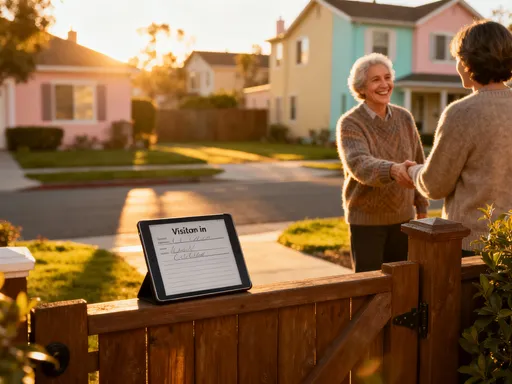
The change started with something surprisingly simple: a tablet at the gate. Not a high-tech security panel, not a complicated system—just a small device where visitors could sign in. My husband installed it after a mix-up with a delivery that left a package sitting outside for hours. We wanted to know who came to the house, when, and why. I’ll admit, I was skeptical at first. I thought, ‘Now we’re logging everyone? This feels a little extreme.’ But within days, I noticed a shift. When the school tutor arrived, she smiled and typed her name. The gardener waved and checked in. Even my sister, dropping off a casserole, took a moment to sign in. It wasn’t intrusive. It was… thoughtful.
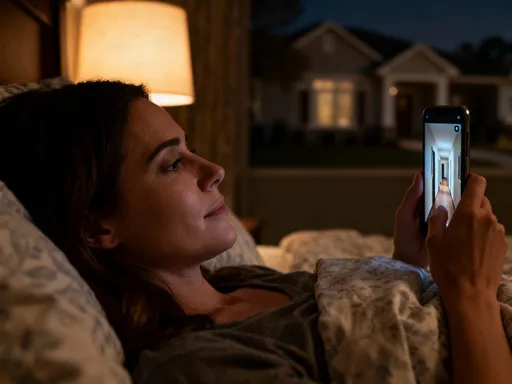
What surprised me most was how it changed my own mindset. Before, I’d tense up if someone was at the gate. Now, I’d get a gentle notification on my phone: ‘Maria from tutoring has arrived.’ No guessing. No anxiety. Just clarity. That small moment of knowing—of being in the loop—eased a tension I hadn’t even realized I was carrying. But the real magic happened beyond our fence. One afternoon, our neighbor Mrs. Thompson stopped by. ‘I saw your screen at the gate,’ she said. ‘Is that new?’ We chatted for ten minutes about how it worked. Then, the next week, her son came over to borrow a ladder. He signed in. She mentioned it at book club. Suddenly, people were talking about it—not as something cold or corporate, but as a way our street was looking out for each other.
I started to see it differently. This wasn’t about surveillance. It wasn’t about suspicion. It was about awareness. It gave us control, yes—but it also gave us confidence. And with that confidence came space to breathe, to relax, to say, ‘Come on in,’ without fear. The system didn’t replace human connection. It made space for it. It reminded me that technology doesn’t have to feel cold or distant. Sometimes, it can be the quiet helper that makes warmth possible.
From Strangers to Smiles: The Ripple Effect of Visibility
It’s amazing how quickly familiarity can grow when people feel seen. One of the first changes I noticed was how comfortable our regular visitors became. The math tutor, who used to wait silently at the gate, now smiled and said, ‘Hi, I’m here for Lily!’ Delivery helpers started waving as they signed in. Even the elderly neighbor who came to visit her daughter would pause and say, ‘Let me check in so you know it’s me.’ These small moments added up. They weren’t just logging in—they were being acknowledged. And that made all the difference.
Then came the recognition. One day, my husband greeted the grocery delivery driver by name. ‘How’s your daughter’s recital coming along, James?’ James looked stunned—then beamed. ‘You remembered!’ It turned out, James had delivered to us nearly every week for months. The system kept a log, and we started to notice patterns. He came every Thursday. He always wore the same blue cap. He once mentioned his daughter was in dance class. We weren’t stalking him—we were just paying attention. And that attention turned a transaction into a relationship.
It wasn’t just us. Neighbors began recognizing each other’s visitors too. ‘Oh, you’re Maria’s grandson!’ one woman called out. ‘You come every Sunday—how’s your grandma doing?’ Another family started leaving a thermos of coffee by the gate for the early-morning cleaner who came every Tuesday. These weren’t grand gestures. They were small acts of kindness, made possible because people weren’t invisible anymore. The log didn’t force anyone to interact. But it created a shared rhythm, a sense of continuity. People weren’t just passing through. They were part of the neighborhood story. And slowly, the air changed. It felt lighter. Friendlier. Like we were all in this together.
Building Trust Without Sacrificing Safety
I know what some of you might be thinking: ‘Isn’t this just inviting more risk? What if someone misuses the system? What if a fake name gets entered?’ These are fair questions. Safety was my top priority, and it still is. But here’s what I’ve learned: feeling safe doesn’t mean locking everyone out. It means knowing what’s happening. And that’s exactly what this system gives us—clarity without compromise.
For example, the device captures a photo with every entry. Not a surveillance photo—just a quick snapshot, like a digital nametag. If someone arrives claiming to be a friend of the family, we can verify. If a contractor shows up an hour early, we get an alert. And if someone tries to sign in with a name we don’t recognize, the system flags it. These features don’t make us paranoid. They make us prepared. My teenage daughter now hosts study groups, and I don’t have to hover at the door. I get a notification when her friends arrive. I know they’re safe. She knows I trust her. It’s a win-win.
For families with older parents living nearby, this has been a game-changer. One neighbor uses the system to track when her mom’s caregiver arrives and leaves. She gets peace of mind without having to call every hour. Another family pre-registers their babysitter, so the system recognizes her instantly. No fumbling with codes. No confusion. Just smooth, secure access. We’ve also set simple rules: guests must be pre-approved, or they need to call ahead. It’s not about control—it’s about care. And the beauty is, it scales. Whether you’re a busy mom, a working dad, or someone living alone, the system adapts to your life. It doesn’t demand perfection. It just asks for a little intention. And in return, it gives you something priceless: the freedom to feel safe *and* open.
Expanding Circles: When Neighbors Become Support
The most unexpected gift of this little system wasn’t safety or convenience. It was community. Because once we started seeing each other—really seeing each other—something shifted. People began to care. Not in a forced way, not because they had to, but because connection had become natural.
It started with small things. When my family went on vacation, I got a text from Mrs. Thompson: ‘I’ll water your plants.’ No asking. No checklist. Just kindness. When a storm knocked out power, three neighbors showed up with flashlights and soup. ‘We saw the log was quiet,’ one said. ‘Figured you might need help.’ I was touched. But the real turning point came last summer. A group of kids had been playing together after school—biking, laughing, inventing games. One day, their parents realized: they didn’t even know each other’s names. So they used the visitor log as a starting point. ‘You’re Alex’s mom, right? He’s here every Wednesday.’ ‘Yes! And you’re Jamie’s dad!’ That conversation led to a backyard picnic. That picnic led to a monthly block dinner. Now, our street hosts a potluck every season. We bring food, stories, and sometimes, just silence—because being together doesn’t always require words.
This didn’t happen because of technology. It happened because technology removed the first barrier: the awkwardness of not knowing. It gave us a shared language. A way to say, ‘I see you. You belong here.’ And from that, trust grew. People started offering rides to doctor’s appointments. Sharing extra garden produce. Checking in on each other during heatwaves. The system didn’t create these bonds. But it made them possible. It reminded us that community isn’t built in big moments. It’s built in the quiet, consistent acts of recognition—of saying, ‘You’re known here.’
Making It Work in Everyday Life
Now, I know what you’re thinking: ‘This sounds nice, but is it really practical? What if guests forget to sign in? What if the device glitches? What if it becomes just another chore?’ These were my worries too. But here’s the truth: this isn’t about perfection. It’s about habit. And like any good habit, it starts small.
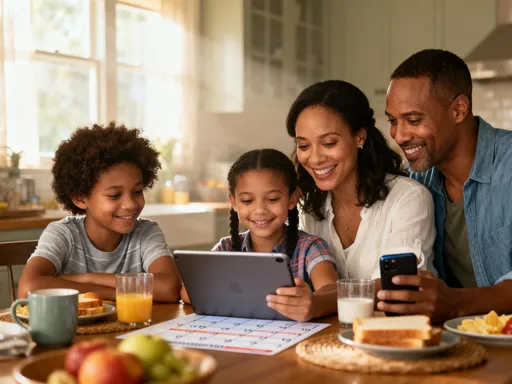
First, placement matters. We put the tablet at eye level, under a small roof to protect it from rain. We added a friendly sign: ‘Please sign in—we’re glad you’re here!’ No pressure. Just warmth. We also linked the system to our family calendar. If my sister’s coming over, I pre-register her. If my husband’s friend is dropping by, he sends a quick invite through the app. It takes seconds. And when guests arrive, they get a gentle reminder—either from us or from the device itself. ‘Don’t forget to sign in!’ we’ll call with a smile. It’s not about rules. It’s about rhythm.
We’ve had hiccups, of course. Once, the Wi-Fi went out, and no one could sign in. We handled it the old-fashioned way: a notebook and pen by the gate. Another time, a delivery driver didn’t realize he needed to check in. We fixed it with a quick call and a thank-you note the next day. The key is to keep it light. This isn’t about surveillance. It’s about creating a home that’s organized, welcoming, and thoughtful. One family on our street reduced missed deliveries by 80% just by using the log. Another prevented a contractor mix-up by verifying arrival times. These aren’t huge wins on paper—but they add up to less stress, more trust, and more time for what matters.
And the best part? It grows with you. You don’t have to use every feature. Start with basic sign-ins. Add photos later. Invite neighbors to view the log if you want. Or keep it private. It’s your home, your rules. But give it time. Let the patterns emerge. Let the smiles build. You might be surprised how quickly a simple tool can reshape your sense of belonging.
A New Kind of Peace: Safety, Connection, and Belonging
Looking back, I realize I was chasing the wrong kind of peace. I thought peace meant silence, privacy, no surprises. But real peace—the kind that settles in your bones—comes from knowing you’re safe *and* seen. It comes from opening your door without fear, from waving to a neighbor who knows your name, from raising your kids in a place where people care.
The visitor log didn’t change my neighborhood overnight. But it changed *me*. It helped me shift from protection to presence. From suspicion to welcome. It reminded me that safety and connection aren’t opposites. They’re partners. One strengthens the other. And sometimes, the most powerful technology isn’t the one with the most features. It’s the one that helps you live with more ease, more joy, and more heart.
Today, when I walk up my path, I don’t tense up. I look at the tablet, see who’s visited, maybe smile at a familiar name. And when I open the door, I know I’m not just entering my home. I’m stepping into a community—one that’s a little safer, a little kinder, and a lot more connected. That’s the kind of tech I can believe in. Not because it’s flashy, but because it helps us feel truly at home.