From Drained to Energized: The Remote Work Hack That Filled My Empty Minutes
Ever felt like you’re busy all day but accomplished nothing meaningful? I used to stare at the clock between meetings, scrolling mindlessly—until I discovered how to turn those forgotten gaps into moments of quiet progress. It wasn’t about working more. It was about using the right tools to transform dead time into small wins. This is the real story of how one simple shift changed my remote work life. And the best part? It didn’t require more effort, just a smarter way to use the time I already had. If you’ve ever felt drained by the end of the day despite not doing much, this is for you.
The Hidden Cost of Waiting Time in Remote Work
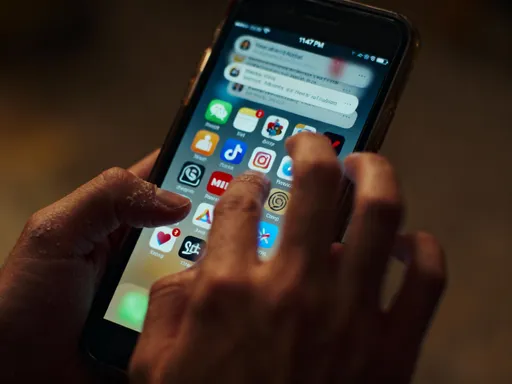
Let’s be honest—remote work comes with a lot of in-between moments. You finish a Zoom call, but your next one doesn’t start for seven minutes. The document you’re trying to open is loading… slowly. Your colleague hasn’t replied to your message, so you wait. These moments feel too short to start anything real, yet long enough to feel unproductive. I used to fall into the same trap: unlocking my phone, opening Instagram, and suddenly realizing 15 minutes had vanished. I wasn’t relaxing. I wasn’t working. I was just… stuck.
And here’s what I didn’t realize at the time: those little gaps weren’t just annoying—they were stealing my energy. Every time I switched to mindless scrolling, my brain had to work harder to refocus when it was time to get back to work. I felt more tired, not less. The constant switching between tasks and distractions made me feel busy, but not effective. I started to wonder—what if I could use these moments differently? Not to do more, but to feel more in control?
That’s when I began paying attention. I tracked my waiting times for a week using a simple timer on my phone. I logged every instance: post-meeting pauses, app loading screens, email response delays. The result? I was losing over 60 minutes a day to these micro-waiting moments. An entire hour—gone. Not because I was lazy, but because I didn’t have a better plan. And that’s when it hit me: these weren’t lost minutes. They were hidden opportunities.
How Tiny Moments Add Up to Real Progress
Sixty minutes a day doesn’t sound like much when broken into five- or seven-minute chunks. But think about it—what could you do with an extra hour every single day? Most of us would kill for that kind of time. The truth is, we already have it. We just don’t use it well. I decided to stop treating these moments as downtime and start using them as building blocks for small, meaningful progress.
At first, I tried to use them for big tasks—like drafting emails or planning my week. But that didn’t work. These moments are too short for deep focus. What did work was breaking my goals into tiny actions. Instead of “write a report,” I’d say, “jot down three ideas for the report.” Instead of “plan meals,” I’d write one recipe idea. These weren’t about finishing things—they were about starting them. And that made all the difference.
Within two weeks, I noticed a shift. My mind felt clearer. I wasn’t starting tasks from zero anymore. I had notes, ideas, and reminders already in place. That sense of momentum—of moving forward even in small ways—was incredibly motivating. I wasn’t just being productive. I was building confidence. Each tiny action reminded me: I’m capable. I’m in control. And over time, those small wins added up to real change. I wasn’t doing more—I was doing better.
Choosing the Right Tools Without Adding More Noise
Now, you might be thinking: “Great idea, but how do I actually do this without adding more apps to my already crowded screen?” That was my concern too. I tried several tools at first—fancy planners, productivity trackers, habit apps—but most of them made things worse. They required logins, notifications, setup time. By the time I opened the app, my five minutes were gone. I needed something faster, simpler, and quieter.
After testing a few options, I landed on a lightweight note-taking app—one that opens in under two seconds, syncs across my phone and laptop, and doesn’t require a login every time. No flashy features. No push notifications. Just a blank page ready when I am. It’s become my digital pocket notebook. I keep it open on a second screen or minimized on my phone, so it’s always within reach.
The key wasn’t the app itself—it was how I used it. I created a simple structure: one note for daily goals, one for ideas, one for gratitude. That’s it. No complicated folders, no tagging system. When a waiting moment comes, I glance at the note and decide: What’s one small thing I can do right now? Maybe it’s adding a thought to my project list. Maybe it’s writing down something I’m grateful for. The tool doesn’t do the work for me—but it makes it possible to act quickly, without friction.
And here’s the best part: because it’s so simple, I actually use it. I don’t dread opening it. There’s no pressure to “perform.” It’s just there, like a quiet friend who’s always ready to listen. In a world full of noisy, demanding tech, this small, calm tool has become my anchor.
Turning Waiting Time into Personal Growth
At first, I used these moments just to stay on top of work. But then I realized something powerful: these gaps weren’t just for tasks. They were perfect for reflection. While waiting for a file to upload, I started asking myself simple questions: What’s one thing I’m proud of today? What’s one step I can take toward a personal goal? How am I feeling right now? These weren’t long journaling sessions—just quick check-ins that took less than a minute.
But over time, they changed how I saw myself. I started to notice patterns. On days when I wrote down something I was grateful for—even something small like “the sun was out”—I felt more positive. On days when I reviewed my goals, I felt more focused. These tiny moments of self-awareness added up. I wasn’t just managing my time better—I was getting to know myself better.
One morning, after a quick check-in, I wrote: “I want to feel more confident when I speak in meetings.” That small note led me to practice speaking up in low-stakes calls. Then I recorded a short video of myself to get comfortable with my voice. None of this happened in big blocks of time. It happened in five-minute windows—between meetings, while waiting for coffee, during a slow download. But because I was consistent, the progress was real.
This wasn’t about hustle. It was about alignment. Each micro-moment became a chance to ask: Am I moving toward the person I want to be? And if not, what’s one small thing I can do to get closer? That kind of reflection used to feel like a luxury—something I’d “get to someday.” Now, it’s woven into my day, one quiet minute at a time.
Strengthening Focus and Reducing Digital Fatigue
One of the most surprising benefits of this shift was how it changed my relationship with technology. I used to feel exhausted by the end of the day—not from working too hard, but from the constant switching. Open email. Check messages. Scroll news. Jump to a meeting. My brain was in overdrive, and I felt drained, not accomplished.
But when I started using waiting moments for intentional actions—like writing a note or reflecting—I noticed something: I felt calmer. My attention span improved. I wasn’t jumping from app to app as much. Because I had a better habit in place, the pull of distractions weakened. It wasn’t that I had more willpower—it was that I had a better option.
The note-taking app became a kind of mental buffer. Instead of reaching for my phone the second I felt bored, I’d open my note and write one sentence. That small pause broke the autopilot cycle. I wasn’t eliminating digital tools—I was using them with more purpose. And that made all the difference.
I also started to notice when I was using tech to avoid something—like stress or uncertainty. If I found myself scrolling mindlessly, I’d pause and ask: “What am I avoiding?” Sometimes, the answer was simple: I needed a break. Other times, I was avoiding a hard conversation or a decision. That awareness helped me make better choices. Instead of numbing out, I could address the real issue—often in just a few minutes.
Digital fatigue isn’t just about screen time. It’s about how we use our attention. When we fill empty moments with intention, we protect our energy. We stay present. And we show up better—for our work, our families, and ourselves.
Sharing the Habit with My Team—and Seeing Changes
I didn’t set out to change anyone else’s routine. But one day, during a team check-in, I mentioned how I’d been using small moments to jot down ideas. I didn’t make a big deal of it—just said, “I keep a note open and write one thing while I wait for things to load.” Two colleagues asked for the app name. A week later, one said, “I’ve been doing it too—and I actually feel less stressed.”
That surprised me. I thought this was just my little trick. But then another teammate shared that she’d started using waiting time to plan her next task instead of scrolling. She said it helped her transition between meetings more smoothly. We started laughing—how something so small could make such a difference.
Now, we begin each team meeting with a “gap win”—one sentence about something small we did in a waiting moment. It could be “I wrote down a new project idea” or “I reminded myself to drink water” or “I texted my kid a silly emoji.” It takes less than a minute, but it sets a positive tone. We’re not just sharing updates—we’re sharing presence.
What I love most is how this tiny habit has created a culture of quiet progress. We’re not chasing perfection. We’re celebrating small, human moments of intention. And it’s brought us closer. We feel more connected, not because we’re working more, but because we’re showing up more mindfully. Technology, when used with care, doesn’t have to isolate us. It can actually help us feel more together—even when we’re miles apart.
A Simpler, Smarter Way to Work—One Minute at a Time
Looking back, the biggest change wasn’t in my to-do list. It was in how I feel at the end of the day. I’m not rushing. I’m not overwhelmed. I’m not scrolling just to fill the silence. I move through my day with more intention, more calm, and more connection to what matters.
This isn’t about squeezing every second for productivity. That kind of pressure only leads to burnout. This is about reclaiming time in a way that feels gentle, sustainable, and deeply human. It’s about using the tools we already have—not to work harder, but to live better.
Every time I open that simple note app, I’m reminded: small moments matter. A single sentence can spark an idea. A brief reflection can shift a mindset. A tiny action can start a habit. And over time, those small things add up to real transformation.
If you’re feeling drained by the pace of remote work, I invite you to try this. Pick one tool—just one—that’s fast, simple, and always within reach. Use it to turn your waiting moments into quiet wins. Not for perfection. Not for more output. But for peace. For clarity. For the quiet joy of knowing you’re moving forward, one mindful minute at a time.
Because you don’t need more hours in the day. You just need to use the ones you already have—in a way that feels like you.