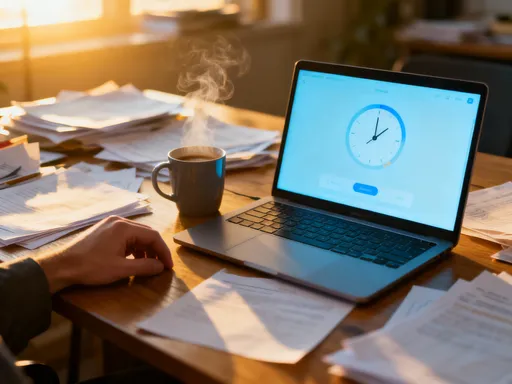
From Overwhelmed to In Control: How Time Tracking Apps Quiet the Chaos
Ever feel like your day slips away before you even begin? You're not alone. Between endless to-do lists, distractions, and the blur of work and personal life, time vanishes. But what if a simple habit could bring clarity? I discovered that tracking my time didn’t just record hours—it reshaped my focus, reduced stress, and gave me back moments I thought were lost. It wasn’t about perfection; it was about presence. Let me show you how this small shift can quietly transform your days.
The Hidden Cost of Lost Time
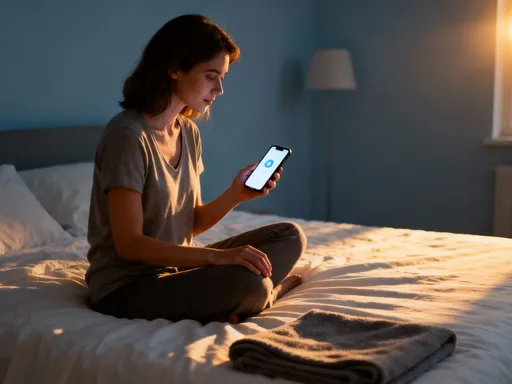
Remember that Sunday evening feeling? You had big plans—clean the kitchen, help the kids with homework, maybe even read a few pages of that book on your nightstand. But somehow, by bedtime, none of it happened. Instead, you’re staring at your phone, wondering where the hours went. You didn’t sleep all day. You weren’t lazy. So why does it feel like you accomplished nothing?
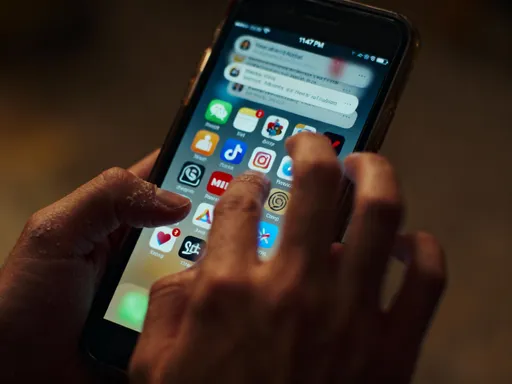
This isn’t just about being busy. It’s about feeling powerless over your own time. I used to wake up with a clear list of things I wanted to do, only to end the day exhausted and frustrated. I’d look back and realize I spent two hours answering emails that could’ve taken thirty minutes. Or I’d promise myself I’d start dinner early, but then get pulled into a last-minute video call, followed by scrolling through social media while waiting for the kids to finish their showers. The tasks weren’t impossible—they just bled into each other, with no boundaries.
What surprised me most was how much this affected my mood. I started feeling guilty—like I wasn’t doing enough, or wasn’t doing it right. I’d compare myself to others who seemed to have it all together: healthy meals, organized homes, side hustles, and still time for yoga. But here’s the truth: most of us are just winging it. The real problem isn’t that we’re bad at managing time. It’s that we don’t actually see how we’re spending it. Time is invisible, and when we can’t see it, we can’t change it.
Think of it like a budget. If you never check your bank account, you might think you’re saving money—until the bill comes and you realize you’ve been overspending on small things you didn’t even notice. Time works the same way. Those five-minute distractions—checking messages, browsing news, hopping between tabs—add up to hours every week. And when they do, we lose more than time. We lose our sense of control, our peace, and our ability to show up fully for the people and things that matter.
Meeting the App That Changed Everything
I didn’t start with a grand plan. I was just tired—tired of feeling scattered, tired of apologizing for being late, tired of missing moments with my family because I was ‘just finishing one more thing.’ A friend mentioned she’d started using a time tracking app, and I’ll admit, my first reaction was skepticism. ‘Track every minute? That sounds exhausting,’ I thought. ‘Like I’m under surveillance.’ But she said it wasn’t about perfection. It was about awareness.
So I downloaded one of the simpler apps—nothing flashy, just a clean interface with a big start/stop button. I picked a quiet morning and decided to try it with one task: writing a newsletter for my small online shop. I clicked ‘start’ and began. Within minutes, I caught myself opening a new tab to check the weather, then another to read a news headline. The app kept running. When I finally stopped it, it showed I’d spent 47 minutes on a task I thought would take 20. And only 28 of those minutes were actually on the newsletter. The rest? Distractions I didn’t even remember making.
Here’s what surprised me: I didn’t feel ashamed. I felt seen. For the first time, I had proof—not guesses, not guilt, but real data—about where my time was going. The app wasn’t judging me. It wasn’t sending me a report card. It was simply showing me the truth. And that truth, as uncomfortable as it was, felt like a relief. I wasn’t lazy. I wasn’t failing. I was just unaware.
What made the difference was how gentle the experience felt. The app didn’t overwhelm me with charts or notifications. It didn’t demand hours of setup. It was like having a quiet companion who whispered, ‘Hey, you’ve been on this email for 30 minutes. Want to take a break?’ It wasn’t about control. It was about care. And because it felt safe, not punitive, I kept using it.
Building the Habit Without the Hustle
If I’d tried to track every single thing I did that first week, I would’ve quit. That’s the mistake most of us make—we go all in, then burn out. I learned quickly that sustainability matters more than intensity. So I started small. Really small. I picked one task I did every day—answering customer messages for my shop—and committed to tracking just that. No pressure to remember everything. No stress if I forgot. Just one click when I started, one when I stopped.
Then I linked it to a habit I already had: opening my laptop in the morning. As soon as I logged in, I’d open the app and start the timer if I was jumping into messages. It took less than five seconds. That tiny anchor made all the difference. Over time, it became automatic. I didn’t have to remember. It was like brushing my teeth—I just did it.
Another thing that helped was using tags. At first, I didn’t even know what they were. But I learned I could label my time—‘customer service,’ ‘creative work,’ ‘planning,’ ‘distraction’—and later see how much I spent in each category. I didn’t do it perfectly. Some days I forgot. Some days I left the timer running while I made lunch. But I didn’t scold myself. I just started again the next day.
The real secret? Celebrating the tiny wins. When I noticed I’d tracked three days in a row, I’d tell myself, ‘Good job.’ When I saw that I’d spent more time on creative work than the week before, I felt proud. This wasn’t about discipline. It was about kindness. And slowly, that one task turned into two, then three. I wasn’t building a rigid system. I was growing a habit—one gentle step at a time.
Seeing Patterns, Not Just Numbers
After about three weeks, something shifted. I wasn’t just logging time—I was learning from it. The app started showing weekly summaries, and I began to notice rhythms in my days. On Mondays and Tuesdays, I was most focused in the mornings. By 2 p.m., my energy dipped, and I’d start switching tabs more, checking messages more often. Thursdays? I was more social—jumping into calls, brainstorming with other small business owners. Fridays felt scattered, like my brain was already on the weekend.
One of the biggest revelations was how much multitasking was costing me. I used to think I was good at it—answering emails while on a call, listening to a podcast while folding laundry. But the data showed something different. When I tried to do two things at once, the timer ran longer, and the quality of my work dropped. I’d have to re-read emails, fix mistakes, or repeat tasks. What I thought was efficiency was actually inefficiency in disguise.
I also discovered my ‘deep work’ windows—those 90-minute blocks where I could write, plan, or create without interruption. They almost always happened between 8 and 10 a.m., right after my coffee and before the household chaos began. Once I saw that pattern, I started protecting that time like gold. I turned off notifications, told my family I’d be busy for a bit, and put a ‘do not disturb’ sign on my office door. And guess what? I got more done in those two hours than I used to in a whole afternoon.
The numbers weren’t just numbers. They were stories. They told me when I was most creative, when I needed rest, and where I was wasting energy. And with that awareness came power. I wasn’t fighting against my natural rhythm anymore. I was working with it.
Making Real Changes—One Day at a Time
Knowledge without action is just noise. Once I had the data, I started making small, intentional changes. I moved my most important tasks to the morning, when I knew I had the best focus. I scheduled meetings on Tuesdays and Thursdays only—no more random calls interrupting my flow on Mondays. I started setting ‘focus hours’ in my calendar, treating them like doctor’s appointments I couldn’t miss.
One of the hardest but most freeing things I did was learning to say no. When a client asked for a call at 9 a.m. on a Monday, I’d say, ‘I’m not available then, but I can meet at 3 p.m. on Tuesday.’ At first, I worried they’d think I was difficult. But most people respected it. And honestly? The ones who didn’t were usually the ones who didn’t value my time anyway.
I also started using the app to plan my week. Every Sunday evening, I’d look at last week’s data and ask myself: Where did I spend too much time? Where did I feel drained? What would I like to do more of? Then I’d schedule my week with those insights in mind. If I saw I’d spent five hours on social media the week before, I’d set a goal to reduce it to three and replace the time with reading or sketching—things that made me feel alive.
These changes didn’t happen overnight. Some days I slipped back into old habits. But each time, I used the app to reset. It wasn’t about being perfect. It was about being present. And slowly, my days began to feel more intentional, more peaceful, more mine.
The Unexpected Gifts Beyond Productivity
I thought the goal was to get more done. But what I really gained was something deeper: calm. I stopped rushing. I stopped feeling like I was always behind. I started taking breaks—not because I had to, but because I wanted to. I’d step outside, feel the sun on my face, and actually notice it. I began to enjoy my work again, not as a never-ending to-do list, but as something meaningful.
My relationships improved too. Because I was more aware of my time, I was more present with my family. I stopped checking my phone during dinner. I started saying, ‘I’ll be there in ten minutes,’ and actually showing up in ten minutes. My kids noticed. ‘You seem happier,’ my daughter said one evening. That hit me right in the heart.
I even started sleeping better. Without the mental clutter of unfinished tasks and guilt, my mind could rest. I wasn’t lying in bed replaying everything I didn’t do. I knew what I’d accomplished, and I knew what could wait. The app didn’t eliminate stress, but it gave me tools to manage it. I felt more in control, more confident, more like myself.
And here’s the thing I never expected: I began to trust myself again. I used to doubt every decision—‘Should I take this on? Do I have time?’ Now, I can look at my data and say, ‘Yes, I can do this—if I plan it right.’ Or, ‘No, this would stretch me too thin.’ That self-trust is priceless. It’s not about doing more. It’s about living more.
A Lifelong Companion, Not a Quick Fix
It’s been over a year since I started tracking my time. I still use the app almost every day, but it’s not the same as it was at the beginning. It’s no longer a tool I use to fix myself. It’s a practice I return to, like journaling or stretching. It helps me stay grounded, stay aware, stay kind to myself.
I don’t track every minute anymore. I don’t need to. I’ve learned to spot the patterns on my own. But when I feel scattered, when I’m starting a new project, or when life gets extra busy, I go back to it. It’s like a compass, helping me find my way back to what matters.
If you’re feeling overwhelmed, if your days feel like they’re slipping through your fingers, I want you to know this: it’s not your fault. You’re not broken. You’re just human. And you don’t need a complete overhaul to feel better. You just need a little awareness. A small shift. A single click.
Time tracking didn’t give me more hours in the day. But it gave me something better: clarity, calm, and the quiet joy of being present. It reminded me that time isn’t the enemy. It’s a gift. And when we learn to see it, honor it, and protect it, we don’t just get more done—we live more fully. And sometimes, that’s exactly what we need.