More Than a Test: Hearing Tools That Helped Me Connect with My Family Again
Living with hearing loss used to make family dinners feel lonely—even when I was right at the table. I’d smile and nod, missing half the conversation. But everything changed when I discovered how simple, everyday hearing tools could quietly transform my relationships. No flashy tech, no complicated setups—just gentle, thoughtful support that brought me closer to the people I love. This is not about fixing hearing alone. It’s about reclaiming connection. And for me, it started with a quiet moment of honesty: I wasn’t just losing sounds. I was losing pieces of my family’s life.
The Moment I Realized Something Was Missing
I remember the exact moment it hit me. It was my youngest grandson’s fifth birthday party, held in our backyard under a string of paper lanterns. Kids were laughing, running through the sprinklers, shouting “Grandma, watch me!” But I wasn’t watching. I was trying to listen. My granddaughter called out something sweet and fast—probably about her costume—and I caught only the last word: “...butterfly!” I smiled and hugged her, but inside, I felt a pang. Not frustration, not anger—just a quiet sadness. I had missed the story behind the word.
That night, I sat at the kitchen table, replaying the afternoon. How many times had I nodded along, pretending to understand? How many jokes had slipped by unnoticed? I realized it wasn’t just about sound. It was about presence. I was physically there, but emotionally, I was drifting. Conversations moved too fast. Voices blended into a hum. My daughter would pause mid-sentence and say, “Mom, did you hear that?” and I’d laugh it off: “Of course! Just thinking about dessert.” But the truth was, I hadn’t heard a thing.
What surprised me most was how slowly it had crept in. Hearing loss didn’t announce itself with a bang. It whispered. At first, it was turning up the TV just a little. Then asking people to repeat themselves once, twice, three times. Then avoiding phone calls. Then skipping family gatherings “because I’m tired.” But I wasn’t tired. I was overwhelmed. And the hardest part? No one else seemed to notice. Or if they did, they didn’t know how to bring it up. We were all tiptoeing around a truth I hadn’t even admitted to myself.
That birthday party was my wake-up call. Not because I couldn’t hear the laughter—but because I realized I was missing the meaning behind it. I didn’t want to be the quiet one at the table anymore. I didn’t want my grandchildren to stop sharing with me because they assumed I wouldn’t understand. I wanted to be part of the noise, not just near it. So I made a decision: I would stop pretending. I would find out what was really going on with my hearing—and I would do it on my own terms.
Discovering Tools That Felt Like They Were Made for Real Life
I’ll admit, I wasn’t excited about visiting a clinic. The idea of sitting in a soundproof booth, wearing bulky headphones, being tested by a stranger—it felt intimidating. And expensive. I’d heard stories about long waitlists, complicated referrals, and hearing aids that cost more than my car. I didn’t want a medical event. I wanted answers. I wanted to understand what was happening, in a way that fit my life—not disrupted it.
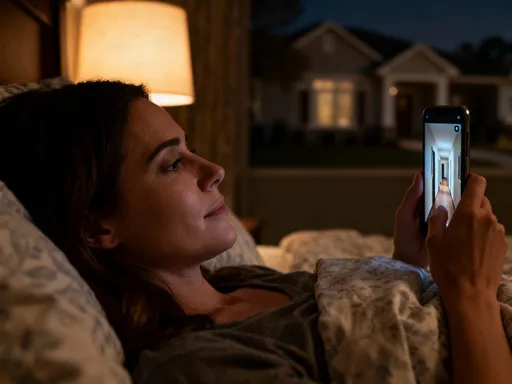
That’s when I came across at-home hearing tests. At first, I thought it was too good to be true. How could a little app on my phone possibly measure something as complex as hearing? But I read the reviews—real people, like me, in their 50s, 60s, even 70s—saying things like, “I finally understood why I kept asking my husband to repeat himself.” So I downloaded one, just to try.
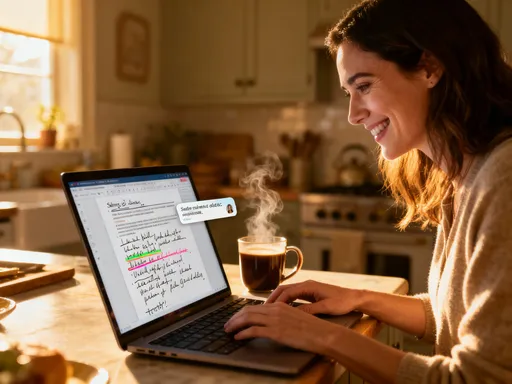
It took me by surprise. The whole thing happened in my living room, with my own headphones. Soft tones played in one ear, then the other. A calm voice guided me: “When you hear the sound, tap the screen.” That’s it. No pressure. No judgment. I could pause anytime. I did it twice—once with background noise, once without—to see how I did in different environments. And when it was over, I got a clear, easy-to-read chart showing which frequencies I struggled with.
What moved me most wasn’t the data. It was the feeling of being seen. For years, I’d thought I was just “getting older” or “not paying attention.” But this test showed me something real: my hearing loss wasn’t random. It wasn’t laziness. It was a pattern. And for the first time, I had a map. Not a diagnosis—just a starting point. And the best part? I didn’t have to share it with anyone unless I wanted to. It was mine. Private. Respectful.
How Simplicity Made All the Difference
One thing I’ve learned as I’ve gotten older: if something isn’t easy, I probably won’t stick with it. I’ve had gadgets before—smartwatches, fitness trackers, voice assistants—that promised to help but ended up in a drawer because they were too complicated. Small buttons. Confusing menus. Instructions that felt like a foreign language. I didn’t need another frustration. I needed a friend.
That’s why the simplicity of these tools made all the difference. The app I used didn’t overwhelm me with graphs or technical terms. It said things like, “You might have trouble hearing high-pitched voices,” or “Background noise could be making conversations harder.” That’s what I needed—plain language, not jargon. And the design? Big text. Clear icons. A voice that spoke slowly and kindly, like someone who knew I might be nervous.
I remember the first time I used the voice-guided feature. A soft chime, then a voice: “Let’s begin when you’re ready. Tap the screen when you hear the tone.” I took a breath and tapped. It felt like the tool was waiting for me, not rushing me. No timers. No red “fail” messages. Just gentle encouragement. And when I finished, the results didn’t say “You have hearing loss.” They said, “Here’s what you might be missing—and here’s how you can start to hear it again.”
That small shift in tone changed everything. It wasn’t about fixing a broken thing. It was about supporting someone who still had so much to hear. And because it was so simple, I didn’t give up. I didn’t feel defeated. I felt capable. I could do this in my pajamas. I could try again tomorrow. And that sense of control—of being in charge of my own journey—was more powerful than any feature.
Sharing Results Without Shame—Opening Up to My Family
The test was easy. The hard part came after. How do you tell the people you love, “I can’t hear you as well as I used to”? I worried they’d think I was broken. That they’d start speaking louder, slower, like I wasn’t quite there. I didn’t want pity. I didn’t want to be treated differently. I just wanted to understand—and be understood.
So I showed them the results. Not dramatically. Not with tears. Just one evening, over tea, I said, “I did something today. I took a hearing test at home. And it showed I’ve been missing some sounds—especially higher voices, like the kids’.” My daughter looked at me, then at the screen, and said, “Oh, Mom. That makes so much sense.” And then, something amazing happened. She didn’t change her tone. She didn’t start shouting. She just said, “We’ll figure this out together.”
That moment opened the door. My husband admitted he’d been turning up the TV too. My grandson asked, “Does that mean you’ll finally hear my knock-knock jokes?” And for the first time, I didn’t brush it off. I said, “Yes. I want to hear every single one.” We laughed. And then we started talking—really talking—about how we could make things easier. Maybe I’d try a personal sound amplifier. Maybe we could use captioning on the TV. Maybe they could face me when they spoke. It wasn’t about fixing me. It was about adjusting, as a family.
What I didn’t expect was how much lighter I’d feel. I’d carried the weight of pretending for so long. And now, instead of hiding, I was being seen. Not as someone failing, but as someone trying. And the love in their eyes wasn’t pity—it was pride. Pride that I had taken this step. And in that moment, I realized: asking for help wasn’t weakness. It was an act of love—for them, and for me.
Small Changes, Big Moments: Hearing Life Again
It’s funny what you notice when you start hearing again. Not the big things—though those matter too. It’s the small ones. The whisper of “I love you” before bedtime. The rustle of a card being handed to me on Mother’s Day. The exact pitch of my granddaughter’s giggle when she’s trying not to laugh. Those are the sounds that stitch a life together.
One evening, we were watching a movie—just us, on the couch. It was one of those fast-talking comedies, the kind where everyone talks over each other. In the past, I’d give up after ten minutes, smile, and pretend to follow along. But this time, I was using a small personal amplifier clipped to my shirt. And something shifted. I caught the jokes. I laughed at the right time. I even quoted a line back. My daughter turned to me and said, “Mom, you’re really hearing this, aren’t you?” And I said, “Yes. I really am.” And we both got a little teary.
It wasn’t just about entertainment. It was about belonging. I started joining conversations again—real ones, not just “How are you?” ones. I heard my son-in-law’s story about his new job. I caught my grandson’s excited ramble about his science project. I didn’t have to ask, “What did you say?” five times. I was present. And that presence changed how I felt about myself. I wasn’t the quiet one anymore. I was back in the circle.
And the best part? My family noticed. They didn’t just see me hearing better. They saw me smiling more. Participating more. Laughing freely. My daughter told me, “You seem lighter, Mom. Like you’re not carrying that weight anymore.” And she was right. I wasn’t. Because when you can hear the people you love, you feel loved. And when you feel loved, you show up differently in the world.
Choosing What Works—Without the Overwhelm
Once I decided to explore hearing support, I quickly realized: there are a lot of options out there. Too many. Apps, devices, amplifiers, hearing aids, online stores, clinics, reviews, forums. It was overwhelming. I didn’t want to spend my retirement studying sound frequencies. I just wanted to hear my family.
So I made a promise to myself: I wouldn’t get lost in specs. I wouldn’t compare decibels or battery life. I’d focus on three things: comfort, clarity, and ease. Did it feel good to wear? Did it make voices clearer, not louder? Could I use it without asking my grandson for help?
I started small. I tried a few different tools—some free, some low-cost. I tested them in real life: at dinner, on phone calls, during movie night. I paid attention to what worked and what didn’t. One device made everything sound too sharp. Another drained my phone battery. But one little amplifier—simple, lightweight, with a soft earpiece—felt just right. It didn’t change my voice. It didn’t echo. It just made speech clearer, like turning down the noise and turning up the conversation.
I also learned to involve my family. I’d say, “Can you speak normally while I test this?” or “Did I get that right?” It became a team effort. And when I found something that worked, I didn’t feel like I’d “won.” I felt like I’d found a new way to stay close. My advice to anyone starting out? Don’t rush. Try things in your own space. Be honest about what you need. And remember: the best tool isn’t the most advanced. It’s the one you’ll actually use—every day, in the moments that matter.
A New Kind of Closeness—Technology That Connects, Not Distracts
Looking back, I see now that this journey wasn’t just about hearing. It was about connection. About showing up for my family—and letting them show up for me. These tools didn’t make me younger. They didn’t erase time. But they gave me something precious: the ability to be fully present, even as I age.
I used to think technology was for the young—the fast, the tech-savvy, the ones who grew up with smartphones. But I’ve learned that the best technology isn’t about speed or novelty. It’s about care. It’s about designing things that understand real lives—lives with grandchildren, with quiet moments, with love that’s spoken in whispers and laughter.
What I love most is that these tools don’t demand attention. They don’t buzz, light up, or distract. They work quietly, gently, helping me listen—really listen—to the people I cherish. And in a world that often feels loud and chaotic, that quiet support means everything.
I’m not “fixed.” I still have hearing loss. But I’m no longer isolated by it. I’m part of the conversation. I hear the jokes, the stories, the “I love yous.” And in those sounds, I find joy, belonging, and a deep sense of peace. This isn’t just about better hearing. It’s about a better life—one where love isn’t just felt, but heard. And that, to me, is the most beautiful sound of all.