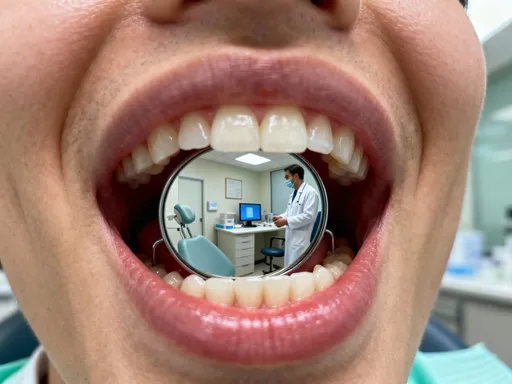
Why Your Mouth Is Smarter Than You Think
Most people think oral health is just about brushing and avoiding cavities. But it’s way deeper—your mouth is a mirror to your whole body. I used to ignore my gums until I noticed swelling and bleeding. That’s when I dug into the real connection between oral care and overall wellness. What I found shocked me: poor oral hygiene doesn’t just hurt your teeth—it can impact your heart, digestion, and immune system. This isn’t fear-mongering; it’s science. Let’s break down how a smart, systematic approach to oral health can transform your well-being from the inside out.
The Mouth-Body Connection: More Than Just Teeth
The human mouth is far more than a place for chewing and speaking—it serves as both a gateway and an early warning system for the body’s overall health. Every day, thousands of bacteria live in the mouth, most of them harmless when kept in balance. However, when oral hygiene falters, harmful bacteria multiply and can enter the bloodstream through inflamed or bleeding gums. Once inside the circulatory system, these bacteria contribute to inflammation elsewhere in the body, a key factor in many chronic diseases. This biological pathway explains why dentists and physicians increasingly collaborate to manage conditions like heart disease, diabetes, and even respiratory infections.
One of the most well-documented links is between periodontal (gum) disease and cardiovascular problems. Studies have shown that individuals with chronic gum inflammation are at a higher risk of developing heart disease. The mechanism lies in the body’s inflammatory response: when bacteria from the mouth travel through the blood, they may attach to fatty plaques in the arteries, contributing to clot formation. While this does not mean poor oral health directly causes heart attacks, it is recognized as a contributing risk factor. The American Heart Association acknowledges this association and encourages patients with heart conditions to maintain excellent oral hygiene as part of a comprehensive care plan.
Similarly, the relationship between oral health and diabetes is bidirectional. High blood sugar levels impair the body’s ability to fight infection, making the gums more susceptible to inflammation and disease. At the same time, severe gum disease can make blood sugar harder to control, creating a challenging cycle for individuals managing diabetes. Research published in the Journal of Clinical Periodontology indicates that treating periodontitis can lead to modest improvements in glycemic control, underscoring the importance of oral care in chronic disease management. These findings reinforce the idea that the mouth is not isolated—it communicates constantly with the rest of the body.
Immune function also reflects oral health. Chronic oral infections place a continuous burden on the immune system, diverting resources that could be used to fight other threats. Persistent inflammation, whether in the gums or elsewhere, has been linked to weakened immune responses over time. This is particularly relevant for older adults, whose immune systems naturally decline with age. By maintaining a healthy oral environment, individuals support their body’s natural defenses. The mouth, in essence, acts as a diagnostic window—changes in gum color, saliva consistency, or breath odor can signal underlying issues long before other symptoms appear.
Common Blind Spots in Daily Oral Care
Despite widespread awareness of the need to brush teeth, many people unknowingly undermine their oral health through common yet preventable habits. One of the most frequent mistakes is brushing too hard. Many believe that vigorous scrubbing removes more plaque, but in reality, it damages the gums and wears down enamel over time. Aggressive brushing can lead to gum recession, exposing sensitive root surfaces and increasing the risk of decay. Using a hard-bristled toothbrush worsens this effect. Dental professionals consistently recommend soft-bristled brushes and gentle, circular motions to protect both gum tissue and enamel.
Another widespread oversight is skipping flossing. While brushing cleans the surfaces of the teeth, it cannot reach the tight spaces between them—areas where food particles and plaque accumulate. Over time, this buildup leads to tartar formation, gum inflammation, and eventually periodontal disease. The Centers for Disease Control and Prevention reports that only about 30% of American adults floss daily, despite strong evidence linking flossing to better gum health. Some individuals substitute flossing with mouthwash, but while antiseptic rinses can reduce bacteria, they do not remove plaque physically. Flossing remains the most effective method for cleaning interdental spaces.
Equally neglected is the tongue. The surface of the tongue harbors bacteria, fungi, and dead cells that contribute to bad breath and microbial imbalance. Yet, many oral care routines stop at the teeth. Simply brushing the tongue with a soft toothbrush or using a tongue scraper can significantly reduce bacterial load and improve overall oral hygiene. Incorporating tongue cleaning into the daily routine takes less than a minute but offers measurable benefits.
These seemingly minor habits—brushing too hard, skipping floss, ignoring the tongue—accumulate over years. A person may feel their mouth is clean because it smells fresh and looks fine, but beneath the surface, inflammation may be progressing silently. Gingivitis, the earliest stage of gum disease, often causes no pain, allowing it to go unnoticed until it advances to periodontitis, which can result in tooth loss. Real-life cases show that individuals who appear diligent about oral care still develop severe issues due to these blind spots. Awareness and correction of these habits are essential for long-term oral health.
Beyond Brushing: A Systematic Routine That Actually Works
An effective oral care routine goes beyond a quick brush in the morning and night. It requires a thoughtful, consistent system that addresses all aspects of the mouth. The foundation of this system is timing: brushing for two minutes, twice a day, with particular emphasis on the evening session. Nighttime brushing is crucial because saliva production decreases during sleep, reducing the mouth’s natural ability to neutralize acids and wash away food particles. Without proper cleaning before bed, bacteria thrive overnight, increasing the risk of plaque buildup and enamel erosion.
The tools used matter just as much as the timing. A soft-bristled toothbrush with a small head allows for better access to back teeth and along the gumline. Electric toothbrushes, particularly those with oscillating or sonic technology, have been shown in clinical studies to remove more plaque than manual brushing. However, even a high-quality brush is ineffective without proper technique. The recommended method involves holding the brush at a 45-degree angle to the gums and using short, gentle strokes in a circular motion. This approach cleans the gumline effectively without causing trauma to delicate tissues.
Fluoride toothpaste is another cornerstone of a smart routine. Fluoride strengthens enamel, making teeth more resistant to acid attacks from bacteria and sugars. Despite some public debate, decades of research support the safety and effectiveness of fluoride in preventing tooth decay. The World Health Organization and the American Dental Association both endorse its use in community water supplies and dental products. For individuals at higher risk of cavities, dentists may recommend fluoride rinses or professional treatments to provide additional protection.
Flossing should be integrated into the routine every day, ideally before brushing at night. This sequence allows dislodged particles to be brushed away afterward. For those who find traditional floss difficult to use, interdental brushes or water flossers offer viable alternatives. These tools are especially helpful for people with braces, bridges, or tight spaces between teeth. The key is consistency—choosing a method that fits one’s lifestyle increases the likelihood of long-term adherence. When combined with brushing and tongue cleaning, this systematic approach creates a comprehensive defense against oral disease.
The Hidden Role of Diet in Oral Health
Diet plays a powerful yet often underestimated role in maintaining oral health. The foods and beverages consumed directly influence the balance of bacteria in the mouth. Sugary foods and refined carbohydrates are primary fuel sources for harmful bacteria like Streptococcus mutans, which produce acid as a byproduct of metabolizing sugar. This acid attacks tooth enamel, leading to demineralization and, over time, cavities. Frequent snacking on sweets or drinking sugary beverages throughout the day keeps the mouth in a constant acidic state, leaving little time for natural remineralization to occur.
Acidic foods and drinks, such as citrus fruits, soda, sports drinks, and even wine, also contribute to enamel erosion. While some of these items have nutritional benefits, their acidity can weaken enamel over time, especially when consumed in excess or sipped slowly over long periods. It is advisable to consume acidic items during meals rather than alone and to avoid brushing immediately afterward, as softened enamel is more susceptible to wear. Rinsing with water or chewing sugar-free gum after eating helps neutralize acids and stimulate saliva flow.
On the protective side, certain foods support a healthy oral environment. Crunchy vegetables like carrots, celery, and apples act as natural cleansers, stimulating gums and helping to remove food debris. Dairy products such as milk, cheese, and yogurt are rich in calcium and phosphates, which aid in enamel remineralization. They also help balance oral pH, reducing acidity. Green tea contains polyphenols with antibacterial properties that can suppress the growth of cavity-causing microbes. Drinking water, especially fluoridated tap water, is one of the simplest and most effective ways to maintain oral health. It washes away food particles, dilutes acids, and supports saliva production.
Saliva is the mouth’s natural defense system. It contains enzymes and minerals that protect teeth and control bacterial growth. Chronic dehydration, certain medications, and medical conditions can reduce saliva flow, leading to dry mouth—a condition that significantly increases the risk of tooth decay and gum disease. Staying well-hydrated throughout the day supports optimal saliva production. For individuals struggling with dry mouth, sugar-free lozenges or saliva substitutes may be recommended by a dentist. A balanced diet rich in whole foods, low in added sugars, and high in nutrients not only benefits overall health but also creates an oral environment where beneficial bacteria can thrive.
When to See a Professional—and What to Actually Ask
Even the most diligent home care routine cannot replace professional dental visits. Most adults should see a dentist every six months for a check-up and cleaning, though some individuals—such as those with gum disease, diabetes, or a history of cavities—may need more frequent visits. A professional cleaning removes tartar (hardened plaque) that cannot be eliminated by brushing and flossing alone. Dentists and hygienists also perform comprehensive evaluations, checking for signs of decay, gum disease, oral cancer, and other conditions that may not be visible or painful in the early stages.
During appointments, patients should take the opportunity to ask informed questions. Instead of a generic “Is everything okay?”, more specific inquiries yield better insights. Examples include: “Are my gums healthy?”, “Is there any sign of enamel erosion?”, and “Do you see any early warning signs I should watch for at home?”. Asking about personalized recommendations—such as whether a special toothpaste, mouth rinse, or tool would benefit your specific needs—shows engagement and helps tailor care. Some patients may also benefit from additional screenings, such as periodontal probing to measure gum pocket depth or oral cancer exams using specialized lighting.
It is important to understand that professional care works best when paired with consistent daily habits. Cleanings are not a reset button for months of neglect; they are a complement to ongoing discipline. Patients who maintain excellent home care often require less invasive treatment over time and experience fewer dental problems. Open communication with dental professionals fosters a partnership in health, allowing for early intervention and personalized guidance. For women going through hormonal changes—such as during pregnancy or menopause—these conversations are especially valuable, as hormonal fluctuations can affect gum sensitivity and inflammation.
Oral Health Across Life Stages: Tailoring Your Approach
Oral health needs evolve throughout life, influenced by hormonal changes, medication use, lifestyle, and aging. In adolescence, hormonal surges during puberty can increase gum sensitivity and inflammation, making teens more prone to gingivitis. This period also often coincides with orthodontic treatment, which requires extra attention to cleaning around brackets and wires. Parents can support teens by encouraging consistent routines and providing tools like interdental brushes or water flossers designed for braces.
For adults, stress and lifestyle factors play a significant role. Chronic stress weakens the immune system, making it harder to fight off oral infections. Some individuals under stress may clench or grind their teeth, leading to enamel wear or jaw pain. Awareness and interventions—such as wearing a night guard—can prevent long-term damage. Pregnancy is another critical phase; hormonal changes can lead to pregnancy gingivitis, affecting up to half of expectant mothers. Maintaining excellent oral hygiene during pregnancy supports both maternal and fetal health, as poor gum health has been associated with preterm birth and low birth weight in some studies.
In older adulthood, changes such as dry mouth (often caused by medications), gum recession, and wear on teeth become more common. Many seniors take multiple prescriptions that reduce saliva flow, increasing the risk of decay. Dentures, if worn, require daily cleaning and proper fit to prevent sores and infections. Regular dental visits become even more important with age, not only for oral health but as a window into systemic conditions like osteoporosis or diabetes. Adjustments to routine—such as using fluoride gels, drinking more water, or switching to softer brushes—can make a meaningful difference in comfort and function.
The key is adaptability. A one-size-fits-all approach does not work across decades of life. By recognizing the unique challenges of each stage and making small, informed adjustments, individuals can maintain oral health well into later years. These changes do not require drastic overhauls—simple modifications to tools, timing, or habits can address emerging needs effectively.
Building Awareness: Making Oral Health a Lifestyle, Not a Chore
Ultimately, oral health is not just about avoiding cavities or bad breath—it is an act of daily self-respect and long-term investment in overall well-being. When approached mindfully, brushing, flossing, and eating well become more than routines; they become expressions of care for one’s body. This shift in perspective transforms oral hygiene from a chore into a meaningful habit. Women in their 30s, 40s, and 50s—who often juggle family, work, and personal responsibilities—can benefit greatly from framing self-care as non-negotiable. Just as they ensure their children brush their teeth, they deserve the same attention and consistency for themselves.
Consistent oral care supports more than a bright smile. It contributes to sustained energy, better digestion, and reduced risk of chronic illness. Healthy teeth allow for proper chewing, which aids nutrient absorption. Strong gums and fresh breath boost confidence in social and professional settings. And by reducing systemic inflammation, good oral hygiene supports a resilient body. These benefits compound over time, making each small effort today a gift to one’s future self.
The mouth is always listening—responding to what we eat, how we clean, and how we care for our bodies. It reflects our choices, our habits, and our priorities. By treating oral health as an integral part of a healthy lifestyle, individuals gain more than just stronger teeth. They gain peace of mind, vitality, and a deeper connection between daily actions and long-term health. The science is clear, the tools are accessible, and the time to act is now. Because when you listen to your mouth, you’re really listening to your body.