What If Your Daily Habits Could Turn Back Time?
Have you ever wondered why some people seem to age slower than others? It’s not just genetics—lifestyle plays a huge role. As someone who’s deeply explored anti-aging strategies, I’ve discovered that targeted rehabilitation methods can significantly support long-term vitality. These aren’t quick fixes, but science-backed, sustainable practices that help your body recover, adapt, and thrive. Let’s dive into how intentional recovery routines can reshape your aging journey.
The Hidden Link Between Rehabilitation and Aging
As the years pass, many accept stiffness, fatigue, and slower recovery as inevitable signs of aging. Yet, emerging research shows these changes are not solely due to time, but to how well—or poorly—our bodies repair themselves. The body is designed to heal, regenerate, and adapt, but this capacity diminishes when neglected. Rehabilitation, often associated with injury recovery, is increasingly recognized as a proactive tool to maintain physiological resilience. When applied consistently, rehab-focused habits support cellular turnover, joint integrity, and nervous system balance—key factors in healthy aging.
Rehabilitation, in this context, is not about fixing what’s broken, but preserving what still works. It’s a shift from reactive care to preventive maintenance. Just as routine oil changes extend a car’s life, daily micro-rehabilitative actions—such as gentle movement, breath regulation, and tissue care—help sustain bodily function. The science behind this lies in homeostasis: the body’s ability to maintain internal stability. With age, homeostatic mechanisms weaken, leading to increased inflammation, reduced repair efficiency, and higher susceptibility to chronic conditions. Proactive rehab strengthens these systems by signaling the body to prioritize restoration.
For example, controlled joint mobilization activates synovial fluid production, which nourishes cartilage and delays degeneration. Similarly, neuromuscular re-education—retraining the brain-body connection—improves movement efficiency and reduces wear and tear on joints. These practices don’t require intense effort, but consistency and awareness. Over time, they build a foundation of functional capacity that buffers against age-related decline. The goal isn’t to look younger, but to move, feel, and function better for longer.
Why Modern Life Accelerates Aging (And How Rehab Counters It)
Modern lifestyles, while convenient, are biologically mismatched with human design. Prolonged sitting, constant screen exposure, irregular sleep, and emotional stress create a chronic state of low-grade inflammation—a key driver of accelerated aging. This condition, often called “inflammaging,” silently damages tissues, impairs cellular repair, and increases the risk of metabolic and neurodegenerative diseases. The body remains in a state of alert, diverting resources from regeneration to survival. Rehabilitation techniques offer a way to reset this imbalance by activating the parasympathetic nervous system—the rest-and-digest mode—essential for healing.
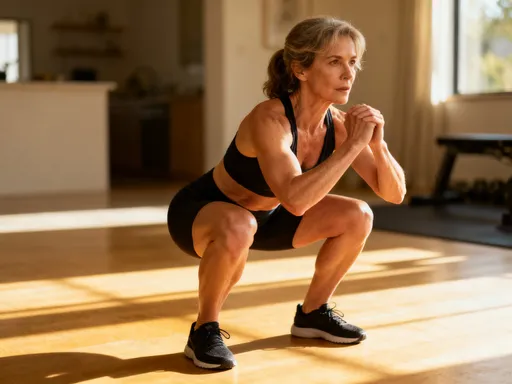
Mindful movement practices, such as tai chi, qigong, or slow-motion strength training, help recalibrate the nervous system. These activities emphasize control, breath coordination, and proprioception, sending signals of safety to the brain. As a result, cortisol levels decrease, heart rate variability improves, and the body shifts from defense to restoration. Studies show that individuals who engage in regular mindful movement report better energy, mood, and joint comfort, even without intense physical output. The benefit lies not in calorie burn, but in nervous system regulation.
Breathwork and neuromuscular retraining further counteract modern stressors. Diaphragmatic breathing, for instance, stimulates the vagus nerve, a major pathway for calming the body. When practiced daily, it enhances oxygen delivery, reduces oxidative stress, and supports mitochondrial health—the energy powerhouses of cells. Neuromuscular retraining, such as balance drills or controlled joint articulation, improves motor control and reduces compensatory movement patterns that lead to pain and injury over time. Together, these methods form a protective shield against the wear and tear of contemporary living.
Mobility as a Foundation for Longevity
Mobility—the ability to move freely and without pain—is a strong predictor of long-term health. Research consistently links greater range of motion with reduced risk of falls, improved cardiovascular function, and enhanced quality of life in older adults. Yet, mobility is often overlooked until it’s lost. The good news is that joint and muscle function can be preserved and even improved at any age through dedicated, low-impact practices. Dynamic stretching, foam rolling, and controlled articular rotations (CARs) are foundational tools in this effort, each serving a distinct role in maintaining tissue health.
Dynamic stretching involves moving joints through their full range in a controlled manner, increasing blood flow and preparing tissues for activity. Unlike static stretching, which is best after exercise, dynamic movements activate the neuromuscular system and improve coordination. Foam rolling, or self-myofascial release, helps release tension in connective tissue, improving flexibility and reducing soreness. While it may feel uncomfortable at first, regular use leads to smoother movement and fewer aches. Controlled articular rotations—slow, isolated joint movements—stimulate synovial fluid production and enhance joint proprioception, which declines with age and inactivity.
Long-term practitioners of mobility routines often report not just better movement, but improved posture, reduced stiffness, and greater body awareness. One study found that adults over 50 who performed daily joint mobility exercises for 12 weeks experienced significant improvements in shoulder, hip, and spine flexibility, along with reduced pain during daily tasks. The science behind this lies in mechanotransduction—the process by which physical movement triggers cellular responses. Gentle, repetitive motion signals the body to maintain and repair tissues, preventing the degeneration that comes from disuse. Mobility, therefore, is not just about flexibility, but about sustaining the body’s functional architecture.
Breathwork: The Underused Tool in Anti-Aging Recovery
Breathing is automatic, yet most people breathe inefficiently—shallowly, rapidly, and high in the chest. This pattern reinforces stress responses and limits oxygen delivery to tissues. In contrast, diaphragmatic breathing—deep, slow, and belly-driven—activates the parasympathetic nervous system, promoting relaxation and recovery. It’s one of the most accessible and powerful rehab tools available, requiring no equipment and only a few minutes a day. When practiced consistently, breathwork enhances heart rate variability (HRV), a key marker of resilience and longevity.
HRV measures the variation in time between heartbeats, reflecting the body’s ability to adapt to stress. Higher HRV is associated with better cardiovascular health, emotional regulation, and slower biological aging. Controlled breathing, particularly at a rate of 5–6 breaths per minute, has been shown to increase HRV by synchronizing heart rhythm with respiration—a phenomenon known as respiratory sinus arrhythmia. This rhythm optimizes blood flow and reduces strain on the heart. Over time, it supports mitochondrial efficiency, allowing cells to produce energy more effectively and with less oxidative damage.
Simple routines can yield significant benefits. One effective method is box breathing: inhale for four seconds, hold for four, exhale for four, and hold for four, repeating for 5–10 minutes. Another is diaphragmatic breathing: lying down, placing one hand on the chest and one on the belly, and breathing deeply so the belly rises while the chest remains still. These practices can be done anytime—before bed, during work breaks, or upon waking. The cumulative effect is a calmer nervous system, improved sleep, and enhanced cellular repair. Breathwork is not a cure-all, but a foundational habit that amplifies the benefits of other rehab practices.
Sleep Optimization Through Recovery Routines
Sleep is the body’s prime time for repair. During deep sleep, growth hormone is released, tissues regenerate, and the brain clears metabolic waste through the glymphatic system. Yet, poor sleep quality is widespread, especially among middle-aged adults. Stress, blue light exposure, and inconsistent routines disrupt sleep architecture, reducing the restorative phases needed for anti-aging. The good news is that targeted evening rehab practices can significantly improve sleep onset, depth, and continuity.
Gentle yoga or stretching before bed helps transition the body from alertness to relaxation. Poses like child’s pose, seated forward bend, or legs-up-the-wall stimulate the vagus nerve and reduce muscle tension. These movements don’t need to be strenuous—just enough to signal the nervous system that it’s time to wind down. Thermal regulation also plays a role. A warm bath or shower 1–2 hours before bed raises core temperature slightly, and the subsequent drop upon exiting mimics the body’s natural cooling process, which triggers sleepiness. This small ritual can improve sleep onset by up to 20 minutes, according to sleep studies.
Nervous system downgrades, such as listening to low-frequency music, practicing gratitude journaling, or engaging in breathwork, further prepare the mind for rest. These activities reduce cognitive arousal and quiet the “mental chatter” that often delays sleep. When combined, these evening routines create a powerful pre-sleep signal that enhances both sleep quality and duration. Over time, consistent deep sleep supports cognitive clarity, emotional stability, and physical recovery—critical components of healthy aging. The glymphatic system, in particular, becomes more efficient, reducing the accumulation of proteins linked to neurodegenerative conditions.
Nutrition and Hydration: The Internal Rehab Support System
While movement and recovery habits are essential, they work best when supported by proper internal care. Hydration and nutrient intake play a silent but vital role in tissue repair, inflammation control, and metabolic efficiency. Water is the medium for all cellular processes, and even mild dehydration can impair joint lubrication, cognitive function, and detoxification. Electrolytes—such as sodium, potassium, and magnesium—are equally important, as they regulate fluid balance, nerve signaling, and muscle function. Many adults, especially women over 40, unknowingly operate in a state of chronic low-grade dehydration, which accelerates fatigue and stiffness.
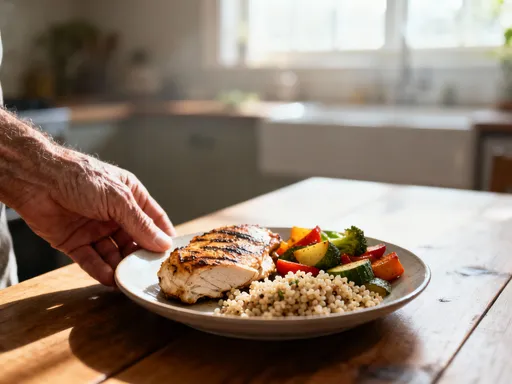
Protein distribution throughout the day supports muscle protein synthesis, which declines with age—a process known as sarcopenia. Consuming 20–30 grams of high-quality protein at each meal helps maintain muscle mass, strength, and metabolic rate. Sources like eggs, fish, legumes, and Greek yogurt are effective and accessible. Equally important are plant-based antioxidants—compounds in colorful fruits, vegetables, nuts, and seeds that neutralize free radicals and reduce oxidative stress. Foods rich in polyphenols, such as berries, dark leafy greens, and green tea, have been linked to improved vascular health and slower cellular aging.
The key is consistency, not perfection. Extreme diets or fasting protocols may offer short-term benefits but are often unsustainable and can stress the body. Instead, a balanced, nutrient-dense approach—focused on whole foods, adequate hydration, and regular meal timing—provides steady support for daily recovery. Timing matters too: consuming protein and complex carbohydrates within an hour after movement enhances tissue repair. These nutritional habits are not about weight loss, but about creating an internal environment where the body can thrive. When paired with external rehab practices, they form a complete recovery ecosystem.
Building a Sustainable Anti-Aging Rehab Routine
The most effective anti-aging strategy is one that can be maintained for years. Perfection is not the goal—consistency is. The challenge lies not in knowing what to do, but in integrating these practices into daily life without feeling overwhelmed. The solution is habit stacking: linking new behaviors to existing routines. For example, doing five minutes of diaphragmatic breathing after brushing teeth, or performing joint rotations while waiting for the coffee to brew. These micro-habits require minimal time and effort but accumulate significant benefits over time.
Environmental cues also support adherence. Keeping a foam roller by the bed, placing a yoga mat in sight, or setting a daily phone reminder can make practices more automatic. Tracking progress can be helpful, but not obsessive. Simple methods—like noting how the body feels each week or using a habit tracker app—provide motivation without pressure. The focus should be on how these practices improve daily life: easier movement, better sleep, clearer thinking, and greater resilience to stress.
Personalization is essential. What works for one person may not suit another. Some may prefer morning mobility, while others benefit more from evening breathwork. The key is experimentation and adjustment. Consulting with a physical therapist, occupational therapist, or certified movement specialist can provide tailored guidance, especially for those with existing conditions. These professionals can assess movement patterns, identify imbalances, and recommend safe, effective exercises. The goal is not to follow a rigid program, but to build a flexible, responsive routine that evolves with changing needs.
Aging is inevitable, but how we age is not entirely out of our hands. By integrating thoughtful rehabilitation methods into daily life, we empower the body’s innate ability to repair, adapt, and maintain function. These practices aren’t about reversing time, but about living stronger, clearer, and more fully as the years go on. The future of anti-aging isn’t in a pill—it’s in the choices we make every day.