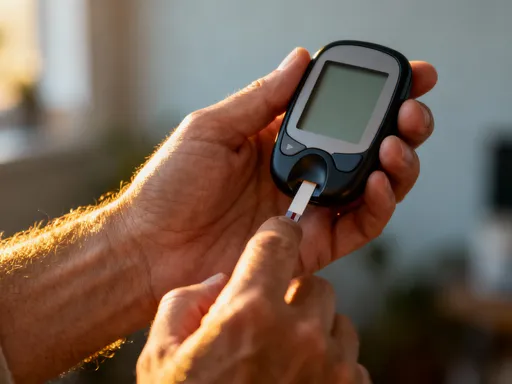
How I Stay on Track with My Health Every Single Day — No Gym Required
Staying consistent with your health isn’t about drastic changes—it’s about small, daily choices that add up. I used to skip workouts, forget hydration, and feel drained by noon. Then I started paying attention—not just to what I was doing, but when and how. Health monitoring became my game-changer. This is the real, no-fluff routine that helped me feel stronger, sharper, and more in control—without any extreme measures. It didn’t require expensive equipment, hours of exercise, or a complete lifestyle overhaul. Instead, it relied on awareness, rhythm, and consistency. Over time, these quiet habits reshaped my energy, focus, and resilience in ways I never expected. This is how anyone can do the same—starting today.
The Problem with “All-or-Nothing” Thinking
Many people approach health with a mindset that demands perfection: either they eat perfectly, exercise daily, and sleep eight hours—or they give up entirely. This all-or-nothing thinking is one of the most common barriers to long-term success. When a single missed workout or an unplanned meal feels like failure, motivation plummets. The truth is, health is not a sprint but a slow, steady journey shaped by repetition, not intensity. Research in behavioral psychology shows that sustainable change comes not from dramatic shifts, but from small, repeated actions that gradually become automatic.
Consider the example of someone who commits to an hour-long workout every morning but skips it during a busy week. If their self-worth is tied to that routine, they may abandon it completely after one disruption. But if they view movement as part of a broader pattern—something they aim for most days, not every single day—they’re more likely to return without guilt. This shift in perspective reduces emotional strain and increases long-term adherence. Health monitoring helps reinforce this mindset by focusing on trends over time, not isolated incidents. Instead of asking, “Did I do everything right today?” the better question becomes, “Am I moving in the right direction over weeks and months?”
Perfectionism often leads to burnout because it ignores the reality of life’s unpredictability. Family demands, work stress, travel, and illness will inevitably interfere with even the best-laid plans. The goal isn’t to eliminate disruptions but to build resilience around them. When you stop measuring success by flawless execution and start measuring it by consistency despite challenges, you create space for progress. Small habits—like drinking water upon waking or taking a five-minute walk after dinner—can persist even on difficult days. These tiny actions keep the momentum alive and prevent the cycle of giving up and restarting that so many people get trapped in.
Why Daily Routines Shape Long-Term Health
The human body functions best when it operates within a predictable rhythm. Biological systems such as digestion, hormone release, and cellular repair rely on regular timing to function efficiently. This internal clock, known as the circadian rhythm, responds strongly to consistent cues like light exposure, meal times, and physical activity. When these inputs occur at roughly the same time each day, the body can anticipate and prepare for them, leading to improved energy, better sleep, and enhanced metabolic function.
Establishing a daily routine supports this natural rhythm by reducing uncertainty. For instance, eating meals at consistent times helps regulate insulin sensitivity and prevents blood sugar spikes. Going to bed and waking up at similar times—even on weekends—strengthens the sleep-wake cycle, making it easier to fall asleep and wake up naturally. Similarly, incorporating movement at a regular point in the day, such as a morning stretch or an afternoon walk, signals the body to expect activity, which can improve circulation and mental alertness.
Beyond biological benefits, routines also reduce decision fatigue. Every choice we make depletes mental energy, and health-related decisions—what to eat, whether to exercise, how much screen time to allow—can be especially draining. When these actions become habitual, they require less willpower. Instead of debating whether to drink water or skip breakfast, you simply follow your routine. This frees up cognitive resources for other important tasks and reduces the likelihood of impulsive, less healthy choices. Over time, consistency turns effort into ease, and what once felt like discipline becomes second nature.
Moreover, routines create a sense of stability and control, which is particularly valuable for women in the 30–55 age range who often juggle multiple roles—parent, partner, employee, caregiver. Knowing that certain health-supportive actions are already built into the day provides a grounding effect. It’s not about adding more to the to-do list but integrating wellness into the existing flow of life. When health becomes part of your rhythm rather than an extra burden, it’s far more likely to last.
What Health Monitoring Really Means (And Why It Works)
Health monitoring is often misunderstood as a numbers-driven practice—counting steps, tracking calories, or weighing oneself daily. While these metrics can be useful, true monitoring goes deeper. It’s about cultivating awareness of how you feel, how your body responds to different inputs, and how your energy fluctuates throughout the day. This kind of self-observation doesn’t require technology; it simply asks you to pay attention. Are you waking up refreshed or groggy? Do you feel steady energy after meals, or do you crash? Is your mood stable, or do you notice irritability or fatigue creeping in?
This awareness creates a feedback loop. When you notice that skipping breakfast leads to mid-morning brain fog, or that a late-night screen session disrupts your sleep, you gain insight into cause and effect. These observations allow you to make informed adjustments before small issues become chronic problems. For example, someone might realize that their afternoon slump isn’t due to laziness but to a carb-heavy lunch. With that knowledge, they can experiment with adding protein or fiber to stabilize energy. Monitoring, in this sense, is not about judgment but about learning.
One of the most powerful aspects of health monitoring is its ability to reveal patterns over time. A single day’s data—like poor sleep or low energy—might not mean much. But when tracked over weeks, trends emerge. You might notice that your best sleep occurs when you go to bed before 10:30 p.m., or that your digestion improves when you drink water first thing in the morning. These insights are far more valuable than any generic health advice because they are personalized. They reflect your unique biology, lifestyle, and environment.
Importantly, monitoring doesn’t have to be formal. It can be as simple as pausing each evening to reflect on how the day felt. Did you move enough? Were you hydrated? Did you take moments to breathe deeply or step outside? This reflective practice builds mindfulness and strengthens the connection between your actions and your well-being. Over time, it fosters a deeper sense of self-trust—the confidence that you know your body and can respond to its needs.
Building Your Personal Health Dashboard
Think of your body as a dashboard with key indicators that reflect your overall well-being. Just as a car’s dashboard shows fuel level, engine temperature, and speed, your personal health dashboard can track essential signs like energy, sleep, digestion, movement, and mental clarity. These aren’t abstract concepts—they are tangible, observable markers that give you real-time feedback on how you’re doing.
Start by identifying which indicators matter most to you. For many women in midlife, energy levels are a top concern. You can assess this simply by rating your morning energy on a scale of 1 to 5. A score of 1 might mean you’re dragging out of bed, while a 5 means you wake up feeling alert and ready. Track this for a week and look for patterns. Do higher scores follow nights when you went to bed earlier? Or after meals with balanced nutrients? Sleep quality is another key metric. Instead of focusing solely on hours slept, consider how you feel upon waking. Do you feel restored, or do you need multiple coffees to function?
Digestion is often overlooked but deeply connected to overall health. Noticing bathroom regularity, bloating, or discomfort after certain foods can provide valuable clues. You don’t need to keep a detailed food diary—just a quick mental note like, “Felt bloated after eating pasta” can spark useful reflection. Movement is another essential indicator. It doesn’t have to mean formal exercise; it’s about how much you move throughout the day. Did you take walks? Stand while working? Stretch after sitting for long periods? Even small increases in daily movement can improve circulation, mood, and joint health.
Mental clarity is equally important. Do you feel focused and present, or scattered and forgetful? This can be influenced by sleep, hydration, stress levels, and nutrition. By checking in with these five areas daily—even briefly—you create a holistic picture of your health. Over time, this dashboard becomes a trusted guide, helping you make choices that support how you want to feel. The goal isn’t perfection in every category but balance and awareness across them.
My 4-Step Daily Routine That Keeps Me Balanced
After years of experimenting, I’ve settled on a simple four-step routine that supports my energy, focus, and resilience without requiring a gym or hours of time. The beauty of this routine is its adaptability—it fits into even the busiest days and can be adjusted based on individual needs. Each step is designed to align with the body’s natural rhythms and build upon the previous one, creating a cascade of positive effects.
The first step is wake-up hydration. Within five minutes of getting out of bed, I drink a large glass of water, sometimes with a squeeze of lemon. This simple act kickstarts metabolism, rehydrates the body after hours without fluids, and signals the digestive system to wake up. Dehydration is a common but often overlooked cause of fatigue and brain fog. By prioritizing water first, I set a tone of care and intention for the day. This habit takes less than a minute but has a disproportionate impact on how I feel by mid-morning.
The second step is morning mobility. Instead of jumping into intense exercise, I spend five to ten minutes moving gently. This might include shoulder rolls, neck stretches, cat-cow poses, or a short walk around the house. The goal isn’t to burn calories but to increase circulation, release muscle tension, and awaken the nervous system. These small movements improve posture, reduce stiffness, and enhance body awareness. They also serve as a transition from rest to activity, helping me start the day with presence rather than rushing.
The third step is meal rhythm. I aim to eat balanced meals at roughly the same times each day, focusing on whole foods that include protein, fiber, and healthy fats. Breakfast might be Greek yogurt with berries and nuts, or scrambled eggs with vegetables. Lunch is often a salad with lean protein, and dinner includes a mix of vegetables, quality protein, and a small portion of complex carbs. The key isn’t strict dieting but consistency and balance. Eating at regular intervals helps maintain steady blood sugar, which supports sustained energy and reduces cravings. I also listen to hunger cues—eating when I’m moderately hungry, not starving—and stop when I’m comfortably full.
The final step is evening wind-down. About an hour before bed, I begin to slow down. I turn off bright screens, dim the lights, and engage in calming activities like reading, light stretching, or journaling. This routine signals to my body that it’s time to prepare for sleep. I avoid caffeine after 2 p.m. and limit alcohol, which can disrupt sleep quality. Creating this buffer between the busyness of the day and bedtime has significantly improved my ability to fall asleep and stay asleep. These four steps—hydration, mobility, meal rhythm, and wind-down—form the foundation of my daily health practice. They are small, sustainable, and powerful when done consistently.
Tools That Help—And Which Ones to Skip
With so many health tools available, it’s easy to feel overwhelmed. Wearables, apps, journals, and scales promise to track every aspect of your well-being. Some can be helpful, but others can create more stress than insight. The key is to use tools that enhance awareness without fostering obsession. A fitness tracker, for example, can be useful if it reminds you to move after long periods of sitting. But it becomes counterproductive if you feel anxious about hitting 10,000 steps or discouraged by a single low-activity day.
Similarly, food-tracking apps can increase mindfulness about eating habits, but they can also lead to restrictive thinking or disordered patterns if used excessively. For most people, especially those seeking balance rather than weight loss, detailed calorie counting is unnecessary and often harmful. A better approach is to use tools selectively—perhaps logging meals for a few days to identify patterns, then stepping back to focus on intuitive eating. The same applies to the scale. Weight fluctuates naturally due to water retention, hormones, and digestion. Relying too heavily on this number can distort self-perception and undermine progress.
What matters most is consistency in behavior, not daily metrics. Instead of tracking every detail, consider using a simple journal to record how you feel each day. A few sentences about energy, mood, and key habits can reveal more than any app. Alternatively, use checklists or habit trackers to monitor whether you completed your core routines—like drinking water or stretching—without fixating on performance. The goal is clarity, not clutter. Tools should serve you, not control you. If a device or app causes stress, comparison, or guilt, it’s time to reconsider its place in your routine.
Making It Stick: Turning Awareness into Lasting Change
Building lasting habits requires more than motivation—it requires strategy. Behavioral science shows that habits form through a loop of cue, behavior, and reward. To make a habit stick, you need a clear trigger, a simple action, and a satisfying outcome. For example, placing a glass of water on your nightstand before bed creates a visual cue to drink it first thing in the morning. The behavior is drinking the water, and the reward is feeling refreshed and on track. Over time, this loop becomes automatic.
Environment design also plays a crucial role. If you want to drink more water, keep a bottle visible on the counter. If you want to stretch in the morning, lay out your mat the night before. Reducing friction makes it easier to follow through. At the same time, practice self-compassion when you miss a day. Progress is not linear, and setbacks are normal. Responding with kindness—rather than criticism—helps you get back on track without shame. Research shows that self-compassion is strongly linked to long-term behavior change because it reduces fear of failure.
There will be days when life gets in the way—sick children, work deadlines, travel. On those days, aim for the smallest version of your habit. If you can’t do a full mobility routine, do two stretches. If you can’t cook a balanced meal, choose the healthiest available option. The goal is continuity, not perfection. And when health concerns arise—persistent fatigue, digestive issues, mood changes—it’s important to seek professional advice. Monitoring is a tool for awareness, not diagnosis. A doctor, dietitian, or therapist can provide guidance when needed. True health includes knowing when to rely on your own observations and when to trust expert care.
Conclusion: Your Health, Your Daily Commitment
True wellness isn’t found in extreme diets, punishing workouts, or overnight transformations. It’s built through daily presence—small, intentional choices that reflect a commitment to yourself. By tuning into your body’s signals and establishing simple, repeatable routines, you gain control without pressure. Health monitoring isn’t about judgment or chasing an ideal; it’s about understanding and responding to your unique needs. Start small. Be consistent. Let your habits reflect the life you want to live—one day at a time. Your well-being is not a destination, but a continuous act of care.