How I Finally Learned to Ride the Wave of My Emotions
Ever feel like your emotions hit out of nowhere—a sudden wave of stress, frustration, or sadness that throws off your whole day? I’ve been there. For years, I struggled to stay calm under pressure, until I discovered that emotion regulation isn’t about control, but rhythm. Through a simple, science-backed exercise program, I learned to move *with* my feelings instead of against them. This is what actually helped me find balance—no hype, just real results. It wasn’t a dramatic transformation, but a quiet shift in how I responded to life’s emotional tides. And the most surprising part? The tool that made the biggest difference wasn’t meditation, journaling, or therapy—it was movement.
The Hidden Struggle: When Emotions Take the Wheel
Emotional reactivity often flies under the radar, dismissed as a normal part of life. Yet, for many women in their 30s to 50s, it can quietly erode confidence, strain relationships, and cloud decision-making. Imagine this: you’re preparing dinner, juggling kids’ homework and a work deadline, when a minor comment from your partner sets off a flare of irritation. You snap back—immediately regretting it. Or perhaps you wake up with a knot in your stomach, dreading a meeting, and find yourself scrolling endlessly instead of preparing. These aren’t just bad moods. They are signs of an overwhelmed nervous system struggling to regulate emotional input.
For decades, emotional regulation was misunderstood as emotional suppression—pushing down feelings to appear calm or composed. But research in psychology and neuroscience now confirms that suppression doesn’t work. In fact, it often amplifies distress over time. True regulation is not about eliminating emotions but about developing awareness and choosing how to respond. According to studies published in the journal *Emotion*, individuals who practice emotional regulation through mindful awareness experience lower levels of anxiety, improved focus, and stronger interpersonal relationships. The key is not willpower, but skill-building—particularly in recognizing early emotional signals before they escalate.
This skill is especially vital during midlife, a period often marked by shifting roles, hormonal changes, and increased responsibilities. When stress accumulates, the body’s stress response system—centered in the amygdala and hypothalamus—can become hypersensitive. Small triggers provoke outsized reactions. The result? A sense of being hijacked by emotions rather than guided by intention. Recognizing this pattern is the first step toward change. It’s not a personal failing; it’s a biological response that can be retrained. And one of the most accessible, evidence-based ways to do so is through physical movement.
Why Exercise? The Mind-Body Connection Explained
Exercise is often promoted for its physical benefits—weight management, heart health, stronger muscles. But its impact on emotional well-being is equally profound, though less discussed. The body and mind are not separate systems; they are deeply intertwined. When you move your body, you send direct signals to your brain that influence mood, focus, and emotional resilience. This is not self-help rhetoric—it’s neurobiology. Physical activity reduces levels of cortisol, the primary stress hormone, while increasing endorphins, serotonin, and dopamine—chemicals that promote feelings of calm, pleasure, and motivation.
Aerobic exercise, such as brisk walking, cycling, or dancing, has been shown in multiple studies to reduce symptoms of anxiety and depression. A meta-analysis published in *JAMA Psychiatry* found that even moderate-intensity aerobic activity, performed three to five times per week, led to significant improvements in emotional regulation. The mechanism is straightforward: rhythmic movement increases blood flow to the prefrontal cortex, the brain region responsible for executive function, decision-making, and emotional control. This helps restore balance when the amygdala—the brain’s alarm system—has been overactivated by stress.
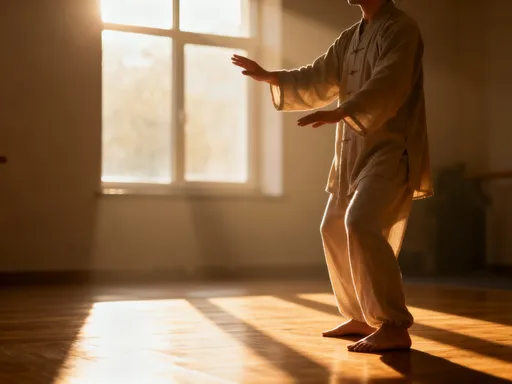
Strength training plays a complementary role. Lifting weights or using resistance bands may seem unrelated to emotions, but the act of controlled effort builds mental discipline. Each repetition requires focus on breath, form, and pacing—skills that mirror emotional self-regulation. Over time, this practice strengthens the neural pathways associated with patience, perseverance, and impulse control. Similarly, mindful movement practices like yoga or tai chi enhance interoception—the ability to sense internal bodily states—which is crucial for identifying emotions before they escalate.
The beauty of movement as a tool for emotional health is its accessibility. Unlike medication or therapy, which may require appointments, prescriptions, or financial investment, movement is available to nearly everyone. It doesn’t require a gym membership or special equipment. What it does require is consistency and intention. The goal is not to achieve peak fitness but to cultivate a daily rhythm that supports emotional stability. When movement becomes a regular part of life, it functions like a reset button for the nervous system, helping you respond to challenges with clarity rather than reactivity.
The Daily Reset: A 10-Minute Movement Routine for Emotional Balance
One of the biggest barriers to using exercise for emotional regulation is the belief that it must be intense or time-consuming. The truth is, short, intentional bursts of movement can be more effective than hour-long workouts when it comes to calming the nervous system. The key is timing and consistency. A 10-minute routine, practiced daily, can interrupt emotional spirals and restore a sense of control. This “Daily Reset” is designed to be simple, adaptable, and effective—no fitness level required.
The routine begins with breath-focused stretching. Stand or sit comfortably and take three deep belly breaths, inhaling through the nose and exhaling slowly through the mouth. Then, move into gentle neck rolls, shoulder shrugs, and forward folds—each movement synchronized with the breath. This phase activates the parasympathetic nervous system, signaling the body to shift from “fight-or-flight” to “rest-and-digest.” The goal is not flexibility but awareness—feeling where tension resides and allowing it to soften.
Next, transition into light cardio. This could be two minutes of marching in place, jumping jacks, or brisk stepping. The intensity should be moderate—enough to raise the heart rate slightly but not so much that you’re out of breath. This phase increases circulation and oxygen flow to the brain, helping to clear mental fog and reduce feelings of heaviness or fatigue. If you’re feeling agitated, this movement helps discharge excess energy. If you’re feeling numb or disconnected, it gently reawakens the body.
Finally, incorporate isometric holds—static contractions that build strength without movement. Press your palms together in front of your chest, engaging your arms and shoulders for 20 seconds. Or press your hands into your thighs while seated, lifting slightly off the chair. These micro-exercises build body awareness and grounding. They teach the nervous system that effort and stillness can coexist—a powerful metaphor for emotional regulation. Practice this routine in the morning to set a calm tone for the day, before high-pressure situations to center yourself, or after stressful moments to reset. Over time, it becomes a reliable anchor in emotional storms.
The Mood Mapping Walk: Turning Steps into Insight
Walking is one of the most underrated tools for emotional clarity. Unlike high-intensity workouts, walking allows space for reflection without overwhelming the mind. The “Mood Mapping Walk” transforms a simple walk into a structured practice of emotional awareness. The idea is to pair each step with a mental check-in—naming emotions, noticing physical sensations, and observing thoughts without judgment. This practice blends physical motion with mindfulness, creating a moving meditation that supports emotional regulation.
To begin, choose a quiet route—a park path, neighborhood sidewalk, or even a hallway if weather or space is limited. Start with five minutes of natural walking, paying attention to the rhythm of your steps. Then, introduce the check-in: with each step, ask silently, “What am I feeling right now?” It might be stress, fatigue, hope, or nothing at all. The goal is not to fix or change the feeling but to acknowledge it. As you walk, notice where emotions manifest in the body—tightness in the chest, warmth in the face, heaviness in the limbs. These physical cues are valuable data points in understanding your emotional state.
Use environmental cues as prompts for deeper reflection. A red traffic light can signal a pause to breathe and reset. A tree passing by might invite a thought like, “I feel rooted” or “I feel exposed.” These moments of connection between inner and outer worlds foster a sense of presence. After the walk, spend two minutes journaling—just a few sentences capturing what arose. Over time, patterns emerge: you might notice that certain times of day, interactions, or tasks consistently trigger specific emotions. This awareness is empowering. It allows you to anticipate emotional shifts and respond proactively rather than reactively.
Research supports this approach. A study from the University of Michigan found that participants who combined walking with emotional self-monitoring reported greater emotional clarity and reduced rumination. The act of moving while reflecting helps break the cycle of repetitive, negative thinking. It creates space between stimulus and response—the very space where emotional regulation happens. For busy women managing multiple roles, this practice offers a way to care for mental health without adding another item to the schedule. It’s movement with purpose, turning everyday steps into a pathway toward inner balance.
Strength as Stability: How Lifting Builds Emotional Endurance
Resistance training is often associated with physical goals—toning arms, building core strength, or improving posture. But its emotional benefits are equally significant, though less visible. Lifting weights, using resistance bands, or performing bodyweight exercises like squats and push-ups requires focus, patience, and presence. These qualities are not only physical but psychological. Each repetition is a small act of discipline, a choice to show up for yourself even when motivation is low. Over time, this builds emotional endurance—the ability to stay steady in the face of challenge.
The process of strength training mirrors emotional regulation in powerful ways. Before lifting, you must align your form—just as emotional regulation begins with awareness of your current state. You breathe deeply, grounding yourself—similar to using breath to calm the nervous system during stress. Then, you engage the muscles, applying controlled effort. This is like choosing a thoughtful response instead of an impulsive reaction. When the weight feels heavy, you don’t rush; you pace yourself, trusting the process. This teaches resilience—the understanding that discomfort is temporary and growth comes from consistent effort.
Starting a strength routine doesn’t require heavy weights or complex equipment. Begin with light dumbbells, resistance bands, or just your body weight. Focus on form over intensity. A simple routine might include wall push-ups, seated rows with a band, and standing squats—each performed for two sets of 10–12 repetitions. The goal is not to exhaust yourself but to build a relationship with your body’s capabilities. As you progress, you’ll notice not only physical changes but also shifts in confidence and emotional composure. You begin to trust your ability to handle difficulty, both in the gym and in life.
For many women, especially those navigating midlife transitions, this sense of control is invaluable. Hormonal fluctuations, caregiving demands, and career pressures can make emotions feel unpredictable. Strength training offers a counterbalance—a predictable, measurable way to build stability. Each session reinforces the message: I am strong. I can endure. I am capable. These affirmations, rooted in physical experience, become internal resources during emotional challenges. They don’t erase feelings, but they provide a solid foundation from which to navigate them.
Group Energy: The Emotional Boost of Shared Movement
While solo movement practices are powerful, there is unique value in moving with others. Group exercise—whether a dance class, walking club, or community fitness session—offers emotional benefits that go beyond physical activity. The shared rhythm, collective energy, and sense of belonging activate the brain’s social bonding systems, releasing oxytocin and reducing feelings of isolation. For women who often prioritize others’ needs over their own, being part of a group can be a form of emotional nourishment.
The power of synchronized movement is well-documented. Studies in social psychology show that when people move in rhythm—dancing, marching, or even clapping together—they feel more connected and trusting. This phenomenon, known as “behavioral synchrony,” enhances group cohesion and emotional well-being. In a world where many feel disconnected despite constant digital contact, shared physical activity offers a rare opportunity for authentic connection. It doesn’t require deep conversation or vulnerability—just the simple act of moving together.
Group settings also increase motivation and accountability. Knowing that others expect you to show up can be a gentle push on days when energy is low. The encouragement of a instructor or the smile of a fellow participant can lift your mood in ways that solitary exercise cannot. And because group classes often have a set structure, they reduce the mental load of planning—something especially helpful for women juggling multiple responsibilities.
Importantly, group exercise doesn’t require extroversion. You don’t need to be the most talkative or energetic person in the room. Simply showing up and participating is enough. Over time, familiarity with the group can foster a quiet sense of belonging. For some, this becomes a cornerstone of emotional health—a weekly anchor that provides rhythm, connection, and joy. Whether it’s a gentle yoga class, a neighborhood walking group, or a beginner’s dance session, shared movement offers a holistic approach to emotional regulation—one that honors both body and community.
Building Your Personalized Emotional Movement Plan
The final step in mastering emotional regulation through movement is integration—turning insights into sustainable habits. A one-size-fits-all approach rarely works, especially for women with varying schedules, energy levels, and preferences. The goal is not perfection but personalization. Start by reflecting on what resonates: Do you feel calmer after stretching? More focused after strength training? More connected after group classes? Use these observations to design a weekly plan that aligns with your lifestyle and emotional needs.
Begin with self-assessment. On a scale of 1 to 10, how would you rate your current emotional stability? When do you feel most reactive—mornings, evenings, after certain interactions? What types of movement have you enjoyed in the past? These answers help identify starting points. Then, map out a flexible schedule. For example: three 10-minute Daily Reset routines during work breaks, two Mood Mapping Walks, one strength session, and one group class. The exact structure matters less than consistency and self-compassion. If you miss a day, simply begin again the next day—without guilt.
Adapt your plan to different phases of your cycle, energy levels, or stress periods. On high-stress days, prioritize calming practices like stretching or walking. On low-energy days, reduce duration or intensity. On days with more capacity, add a longer session or try something new. The rhythm should feel supportive, not rigid. Over time, you’ll develop an intuitive sense of what your body and emotions need.
Finally, track progress not by physical changes but by emotional shifts. Are you responding more calmly to challenges? Do you feel more aware of your emotions? Are relationships improving? These are the true markers of success. Remember, emotional regulation is not about eliminating feelings but about creating space to experience them with clarity and kindness. Movement is not a cure—it is a companion on the journey toward balance.
Emotion regulation isn’t about fixing yourself—it’s about finding a flow. The right movement practices don’t erase feelings but help you ride them with greater awareness and grace. This journey isn’t about perfection; it’s about showing up, again and again, with kindness and curiosity. When you move your body, you’re not just building strength—you’re creating space to truly feel, and finally, to heal.